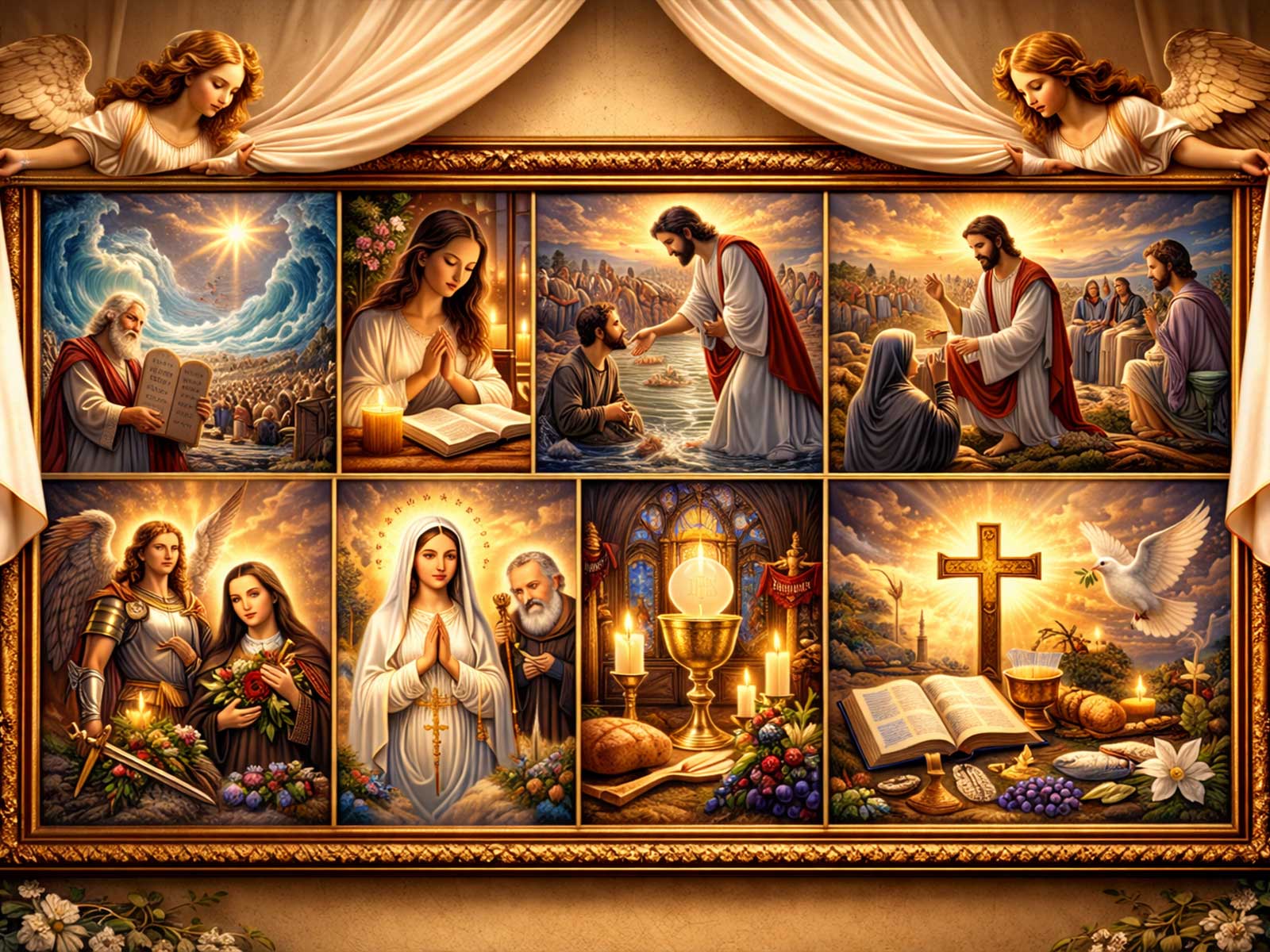
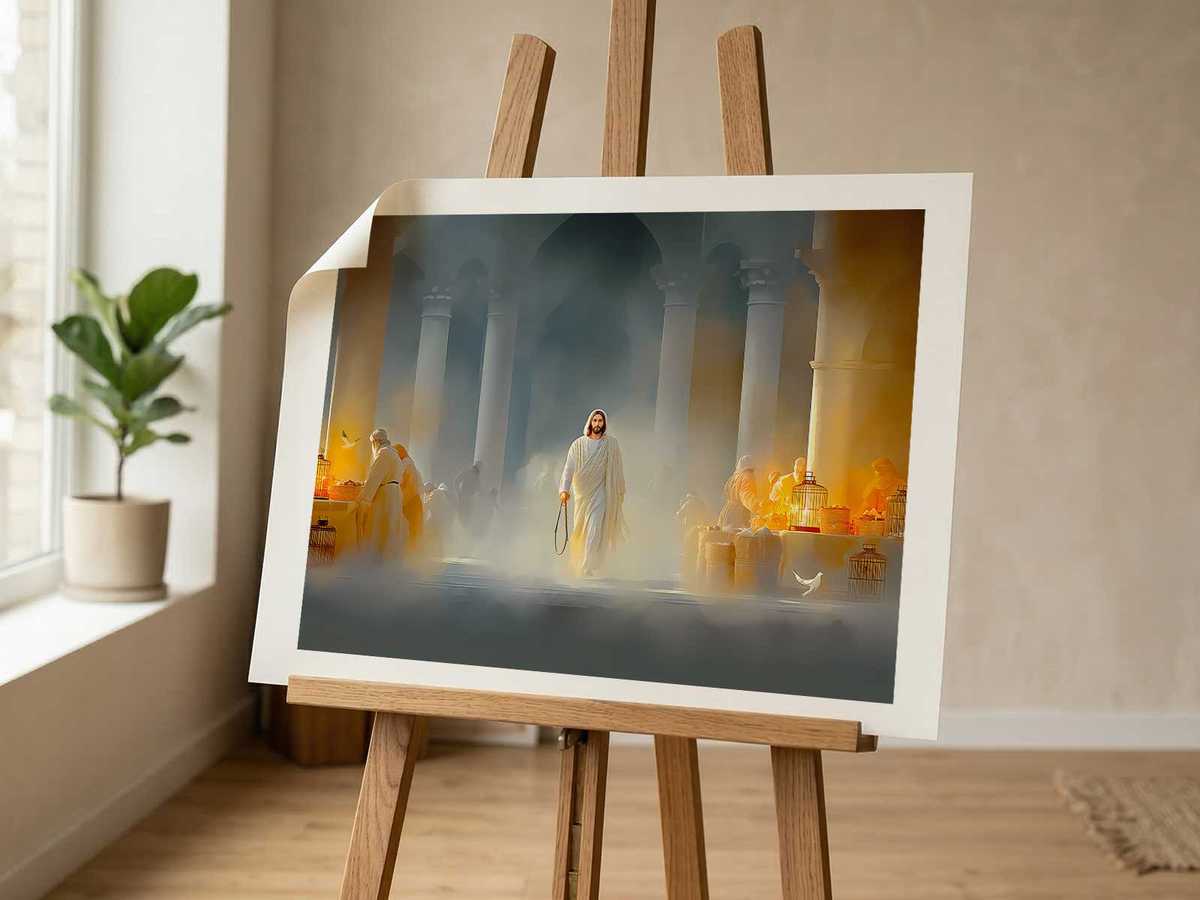
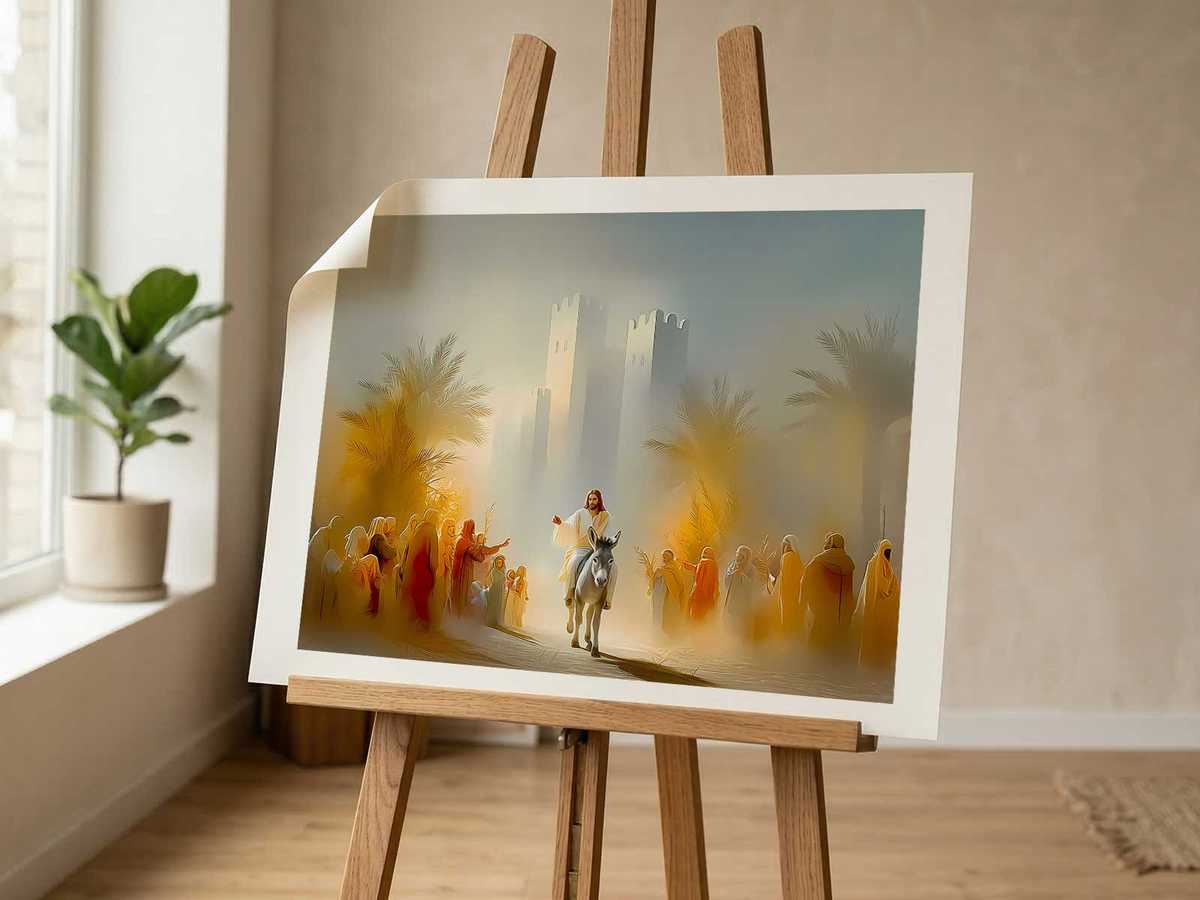
Bringing a collection of images of Christ into a home is less about display and more about conversation: how one image answers another, how light and restraint invite reflection, and how memory of the Gospel is held without feeling like a catalogue. A thoughtful grouping of Jesus wall art can shape a room’s mood by using recurring tones, gentle compositions, and a restrained visual language that encourages stillness rather than demands attention.
Start with an intention for the collection: contemplation, comfort, or remembrance. Those intentions guide choices that feel united — for example, a series that favors quiet portraits, soft palettes, and minimal text will read as a single voice when hung through a hallway or gathered above a mantel. The repeated presence of similar compositional rhythms — faces turned toward light, open hands, or scenes of quiet giving — creates a subtle narrative that moves from room to room without the cluttered feel of unrelated prints.
Texture, scale, and negative space matter as much as subject. A collection that mixes intimate small prints for a bedside prayer corner with larger, calmer pieces in a living room can carry the same visual language when materials and framing choices remain understated. Where one piece offers a closer, more tactile encounter, another can provide breathing room and distance for communal presence; together they form a choreography of attention suited to daily life and private devotion.
[IMAGE_INSERT_ARTICLE_01]
Imagery that leans toward softness — muted colors, gentle contrasts, and simplified backgrounds — supports contemplative use. Such visuals allow viewers to linger on expression and gesture, to remember Gospel scenes as moments for meditation rather than illustrative storytelling. When verses or short phrases are included, keeping typography discreet and sparse preserves the calm; words function as quiet anchors rather than headline statements, offering prompts for prayer or gratitude.
Consider circulation between rooms as you assemble a collection. A unifying motif, whether a halo of light, a recurring color wash, or a particular artistic interpretation of Christ’s gaze, can visually link entryways, dining spaces, and private corners. This creates a domestic pilgrimage of sight where the pieces relate to one another and to the rhythms of household life instead of competing for attention like items on a sales page.
A collection can also honor family memory and identity. Placing evocative, reverent images near ordinary spaces — in a hallway where children pass each day, or above a reading chair used for devotion — integrates faith into routines. The art becomes a quiet teacher, a companion in grief, a comfort in joy, or a reminder to pause. Its role is not to proclaim loudly but to make sacred shape of the everyday.
Ultimately, the coherence of a Christian wall art collection depends on restraint and intentional repetition. Choose pieces that share a contemplative mood, allow air around them, and invite repeated looking. Such a collection does more than decorate: it cultivates a home atmosphere of stillness, remembrance, and gentle invitation to the Gospel’s presence in ordinary life.






 ↧ Digital download
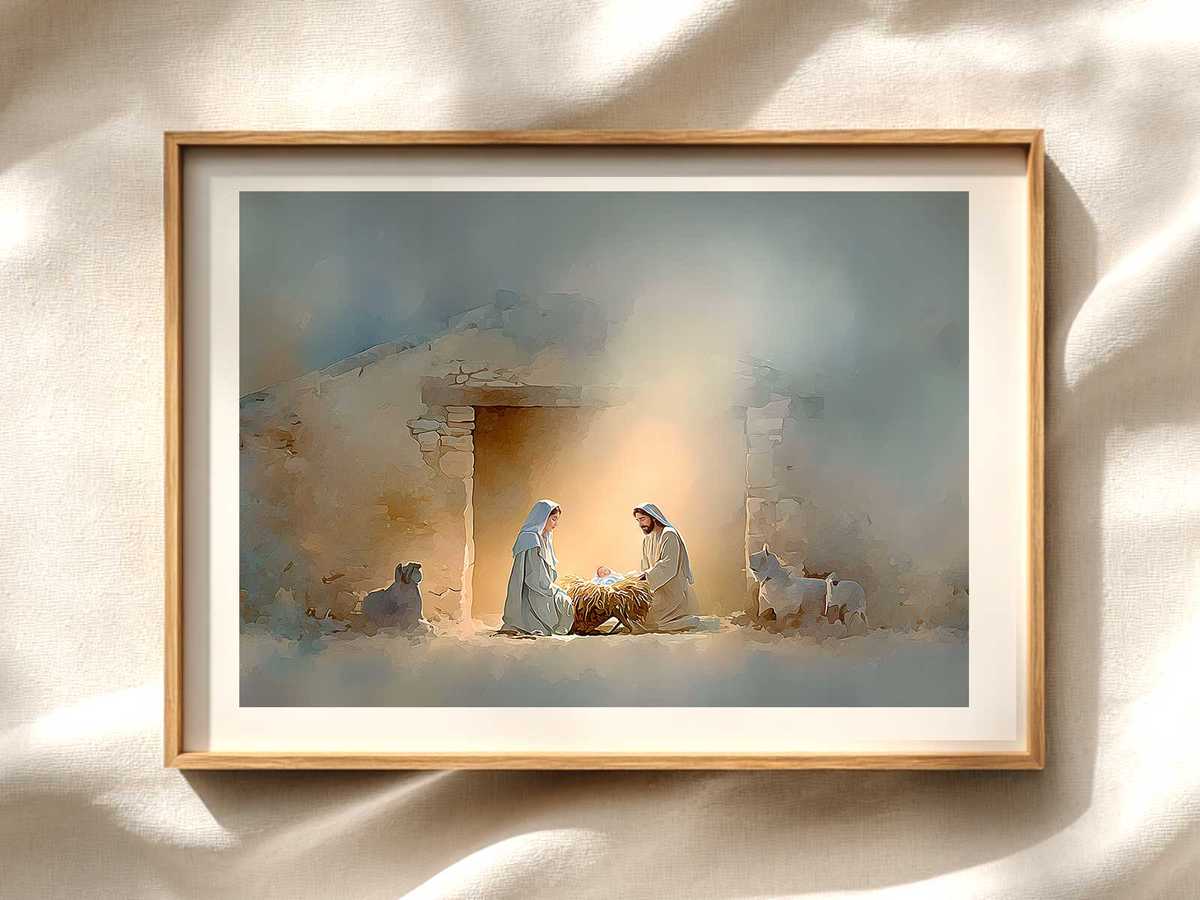
Earliest Painting of Jesus: The Nativity’s Quiet Thread Through...
Digital download
↧ Digital download
Earliest Painting of Jesus: The Nativity’s Quiet Thread Through...
Digital download
 ↧ Digital download
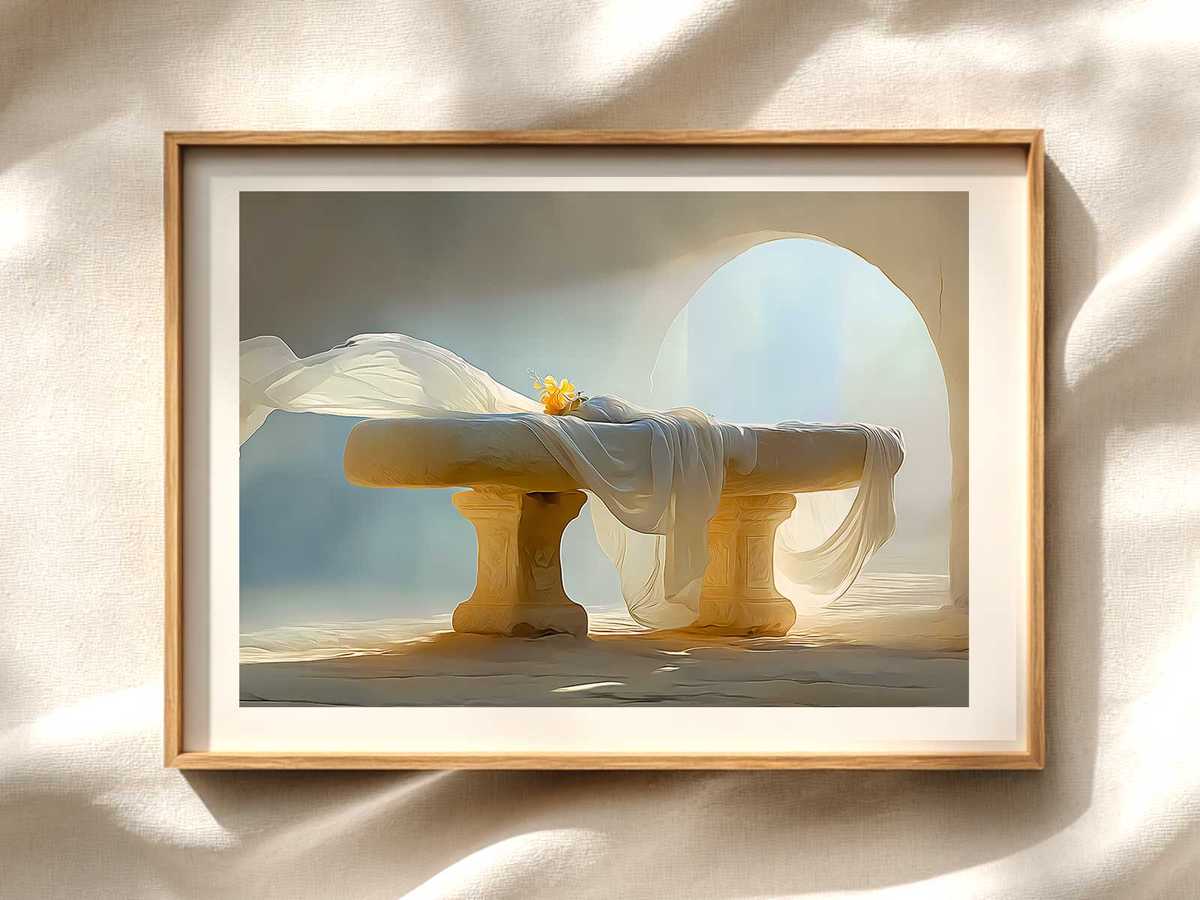
Famous Christ Painting Wall Art: The Resurrection as a Sign of...
Digital download
↧ Digital download
Famous Christ Painting Wall Art: The Resurrection as a Sign of...
Digital download
 ↧ Digital download
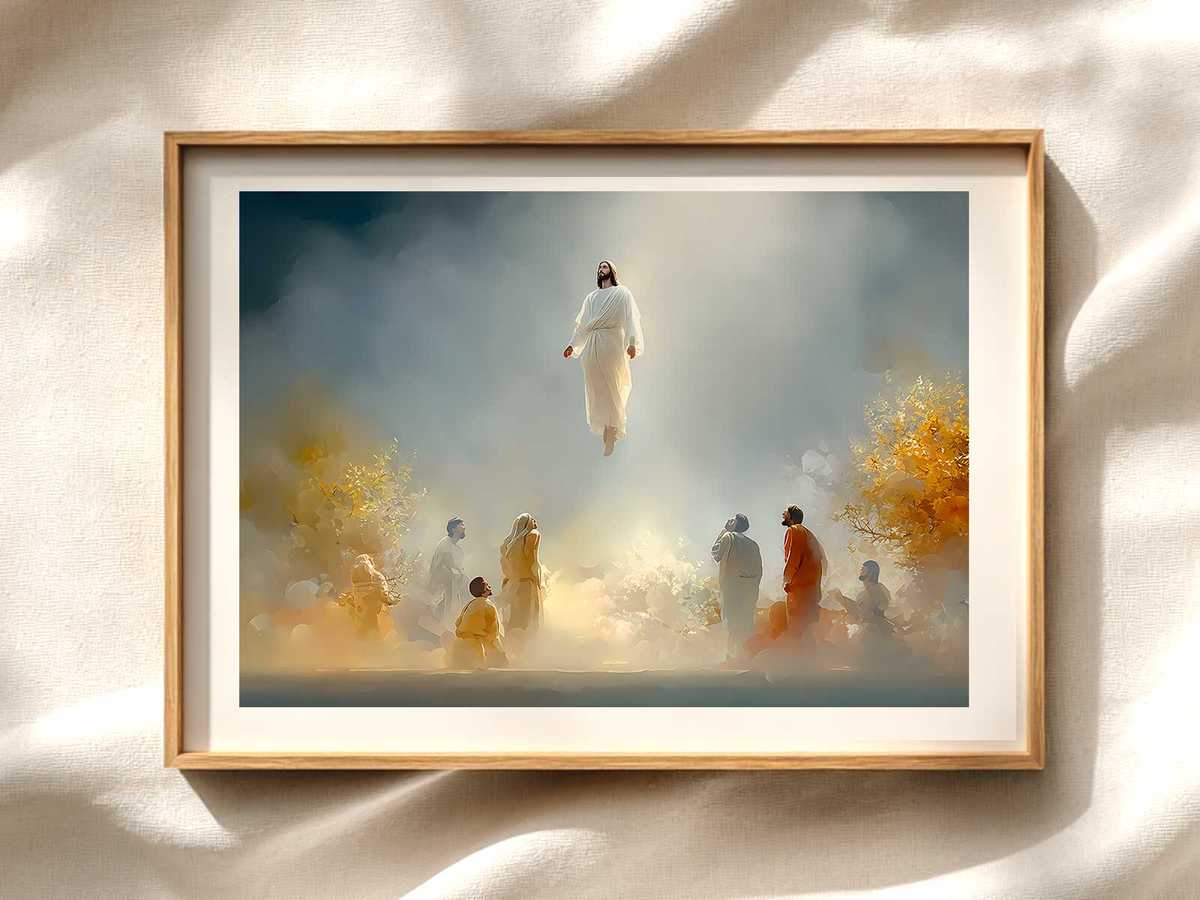
Ascension as a Sign of Light, Hope and Sending — A Famous Christ...
Digital download
↧ Digital download
Ascension as a Sign of Light, Hope and Sending — A Famous Christ...
Digital download
 ↧ Digital download
Parable Verses as Wall Art: A Visible Word for Discernment...
Digital download
↧ Digital download
Parable Verses as Wall Art: A Visible Word for Discernment...
Digital download