Bible Scriptures for Funerals: Psalms, Prayer, and Language for Grief and Hope
Choosing Bible scriptures for funerals helps families and worshiping communities name fear, petition, trust, and thanksgiving in a way words alone often cannot. Across traditions, certain passages are repeatedly recommended because they hold grief and hope together—offering poetic voice, theological anchors, and pastoral guidance for liturgy and private remembrance.
This article outlines commonly recommended funeral passages and explains how denominations treat readings in worship planning.
WHY THE PSALMS STILL FEEL IMMEDIATE
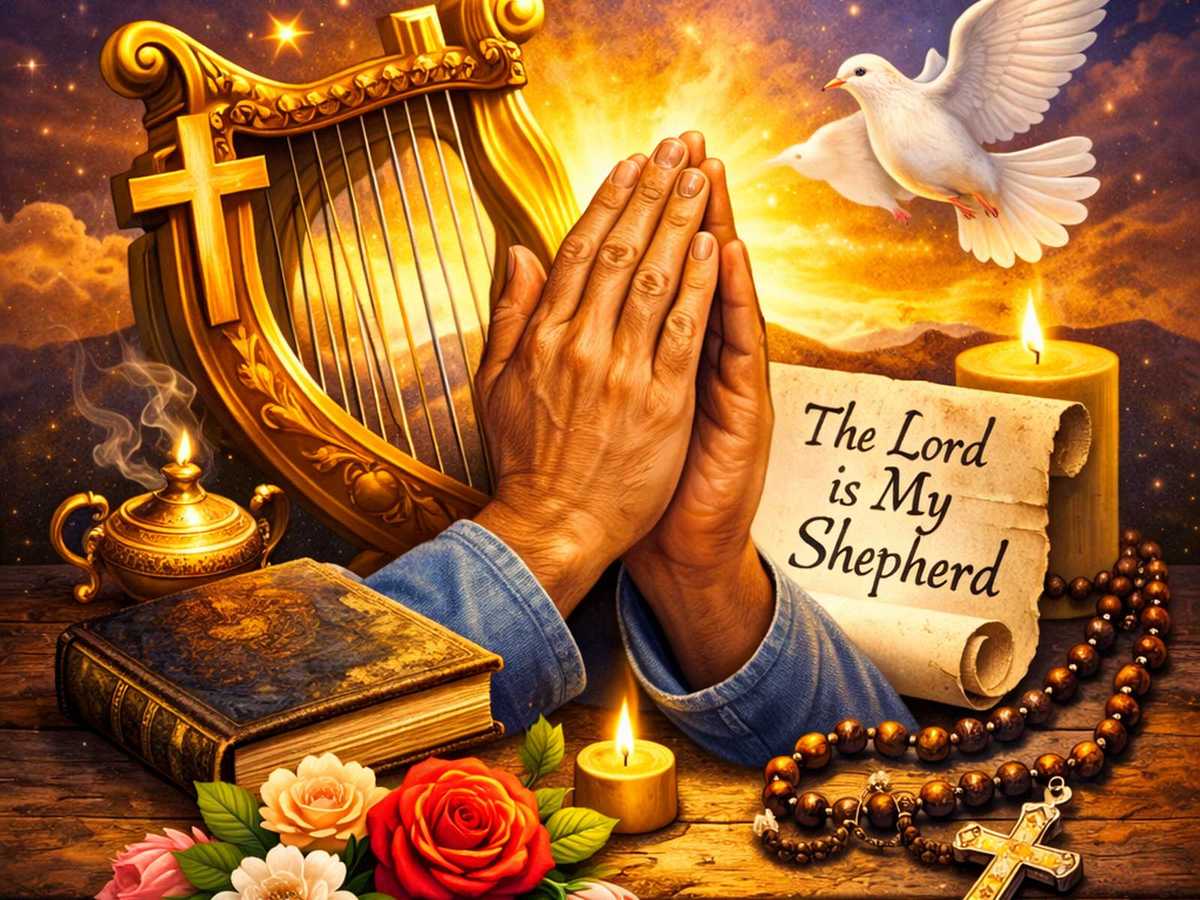
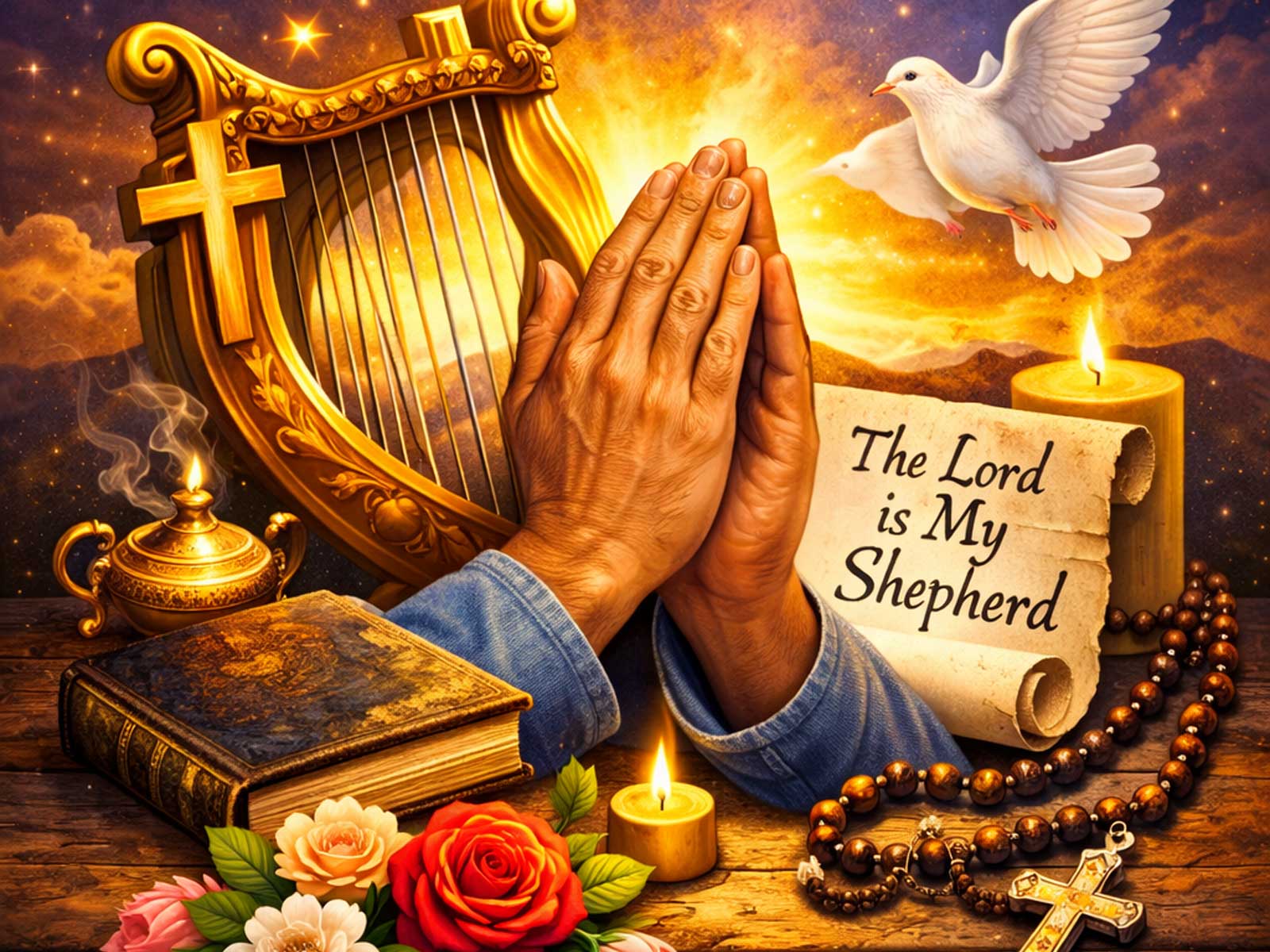
The Psalms are among the most frequently chosen texts at funerals because their language moves easily between lament and trust. Psalm 23 and Psalm 46 are commonly recommended passages that offer pastoral comfort and images of God as shepherd and refuge. Their poetic rhythm makes them suited to spoken readings, responsive psalmody, and devotional reflection.
SCRIPTURES COMMONLY USED AT FUNERALS
Christian resources and parish lists converge on a set of passages that express consolation, resurrection hope, and the presence of God in grief. Frequently cited readings include:
- Psalm 23
- John 14:1–3
- Romans 8:38–39
- Revelation 21:1–4
- Isaiah 25:6–9
- 1 Thessalonians 4:13–18
- Ecclesiastes 3:1–8
- Psalm 46
These texts are gathered by reputable Christian websites, parish planning packets, and diocesan lists for use in memorial services, eulogies, and printed materials like cards and orders of service.
PRAYER, MEMORY, AND REPETITION
Repetition of familiar scriptures and psalms can shape memory and provide a steady way to pray through shock and sorrow. Many grief ministries and Christian sites suggest short, repeatable passages for families who find comfort in saying the same words together in the days following a death.
LITURGICAL GUIDANCE FROM MAJOR DENOMINATIONS
Denominational resources offer practical rules about readings. For example, the Roman Catholic Order of Christian Funerals requires that readings at the Funeral Mass come from approved scriptural selections, normally including one Old Testament reading, one Responsorial Psalm, a New Testament reading, and a Gospel. Non-scriptural readings should not replace biblical selections in that liturgical context.
The Church of England and Anglican resources likewise provide curated lists and encourage selecting readings that balance lament, trust, petition, and thanksgiving for funeral, vigil, and burial services.
HOW SACRED WORDS SHAPE A QUIET SPACE
Sacred passages used in funerals do more than inform belief; they shape atmosphere. Short psalms or Gospel assurances can be placed near a coffin, printed on a card, or framed in a prayer corner to foster stillness. The imagery in passages like Psalm 23 or Revelation 21 invites visual imagination—green pastures, still waters, a new heaven and earth—that calms and focuses attention in liturgy and private devotion.

WHY CERTAIN PRAYERS BECOME DAILY COMPANIONS
Some readings become daily companions because they both name sorrow honestly and point beyond it. Passages that promise God’s presence or the hope of resurrection—such as John 14:1–3 or 1 Thessalonians 4:13–18—are often chosen for memorial cards and bedside prayers because they are short, theologically resonant, and suitable for repetition.
PRACTICAL TIPS FOR SELECTING FUNERAL READINGS
- Consult parish or diocesan reading lists: many offer approved options and sample planning packets for families.
- Balance tones: include a psalm or lament alongside a reading that expresses trust or resurrection hope.
- Keep pastoral need in view: choose passages that will be accessible to those present—simple language and familiar imagery often help.
A GENTLE CLOSING REFLECTION
Scripture selections for funerals serve the twin purposes of naming human sorrow and pointing toward God’s comfort and promise. Whether used in a formal liturgy under denominational guidelines or read quietly among family, these passages provide a shared language for fear, petition, trust, and thanksgiving—helping mourners find words when their own feel inadequate.
Note: This article draws on curated parish lists and official liturgy guidance that consistently recommend the passages and practices described above.