How the Desert and Trial Shape the Miracles Jesus Did: Power That Serves, Not…
The Gospels report that immediately after his baptism Jesus was led by the Spirit into the wilderness and was tempted for forty days. That wilderness episode is presented as a time of testing and preparation for his public ministry.
The desert temptation forms a backdrop to Jesus' later refusal to use power for spectacle; Gospel writers frame his miracles as signs meant to serve God's mission and to invite belief.
We will look at the wilderness episode, the kinds of temptations Jesus resisted, how Gospel authors present miracles as revelatory signs, and why this context matters for understanding the purpose of Jesus' miraculous acts.
THE SCENE AND ITS HUMAN NEED
The desert or wilderness in the Gospel narratives is introduced as a testing ground immediately after Jesus' baptism. The Gospels present this time as a period of solitude and trial where Jesus faces temptations that probe how he will use his power. The human need in the wider Gospel scenes—hunger, illness, grief, spiritual brokenness—provides the concrete situations in which Jesus' later miracles occur.
WHAT THE WILDERNESS TEMPTATIONS PROBED
The temptation stories put before Jesus opportunities to use divine power for self-serving displays. Examples include the tempter urging him to turn stones into bread or to throw himself from the temple to be miraculously saved. According to Gospel presentation and commentaries, these temptations test whether the Messiah will pursue self-glory or align his power with God's mission.
HOW THE WILDERNESS SHAPES MIRACLE ETHICS
Commentators and Gospel readers commonly see the wilderness episode as formative for the ethics of Jesus' ministry. The testing demonstrates that his miraculous power will not be surrendered to proving himself or to spectacular self-validation. Instead, the pattern established in the desert points toward service: using power to help others, confront evil, and authenticate identity in ways consistent with God's purposes.
WHAT THE GOSPEL WRITERS EMPHASISE
Gospel authors, and especially the Gospel of John, frame miracles as "signs" that reveal who Jesus is and aim to lead people to belief. Passages in the Johannine material present miracles as revelatory events rather than mere demonstrations of supernatural ability. Elsewhere the Gospels record Jesus refusing to provide the kind of sign demanded by crowds or religious leaders, linking that refusal to the same resistance to self-glorifying use of power indicated in the wilderness temptations.
FAITH, COMPASSION, AND RECOGNITION
The desert episode and the Gospel framing together help explain why many miracle scenes involve both need and a call to recognition. Miracles occur in concrete human contexts—hunger, sickness, death—where acts of restoration also become occasions for people to recognize Jesus' identity. The wilderness testing shapes a ministry that resists converting signs into spectacles and instead lets signs serve compassion and the invitation to faith.

WHY THIS MATTER STILL MATTERS
Understanding the desert's formative role changes how we read miracle stories. Rather than seeing miracles primarily as demonstrations of raw power, we see them as actions disciplined by a vocation established in the wilderness: power directed toward saving, restoring, and drawing people into belief, not toward proving oneself for its own sake.
HOW MIRACLE SCENES LIVE ON IN CHRISTIAN ART
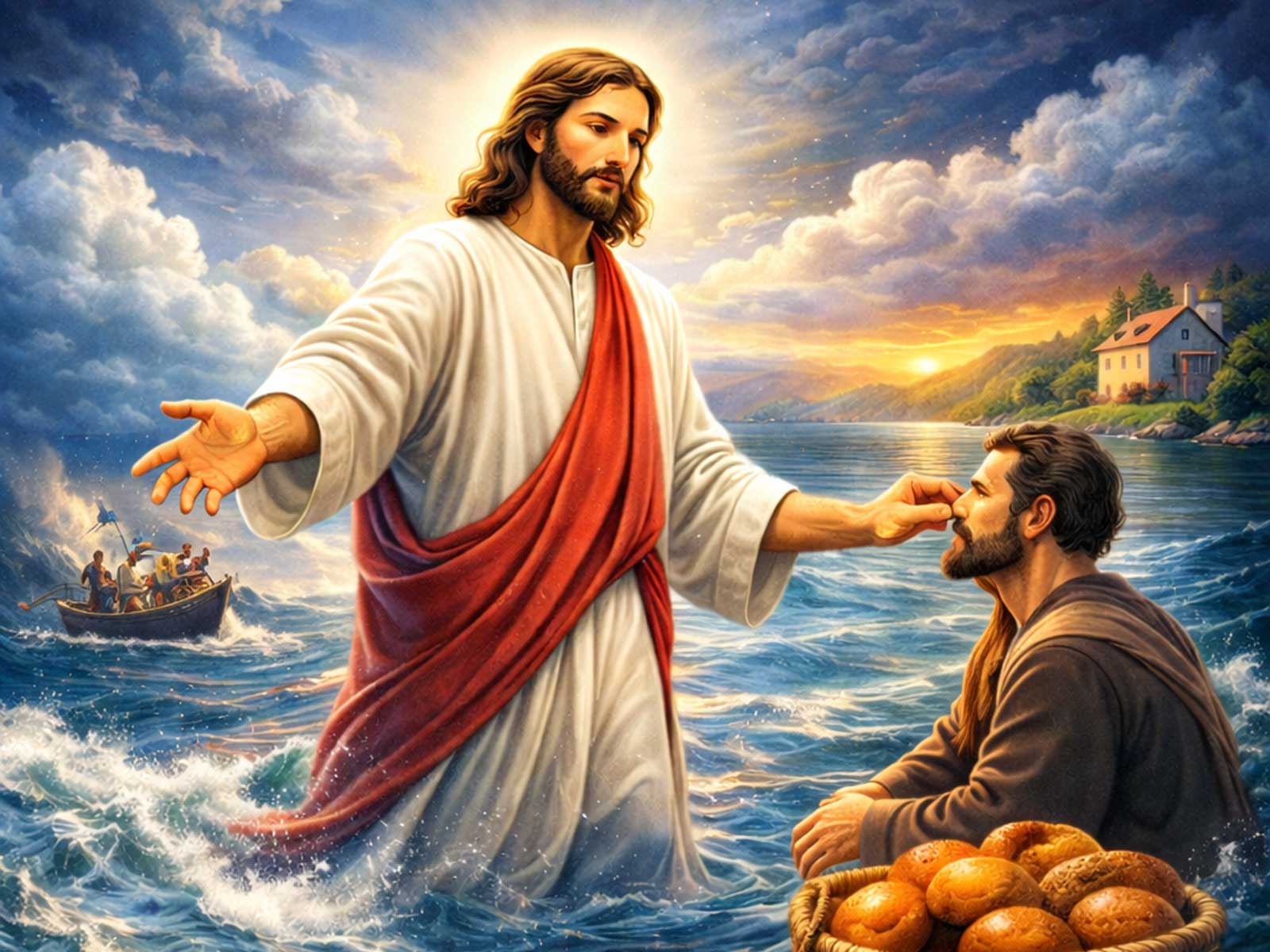
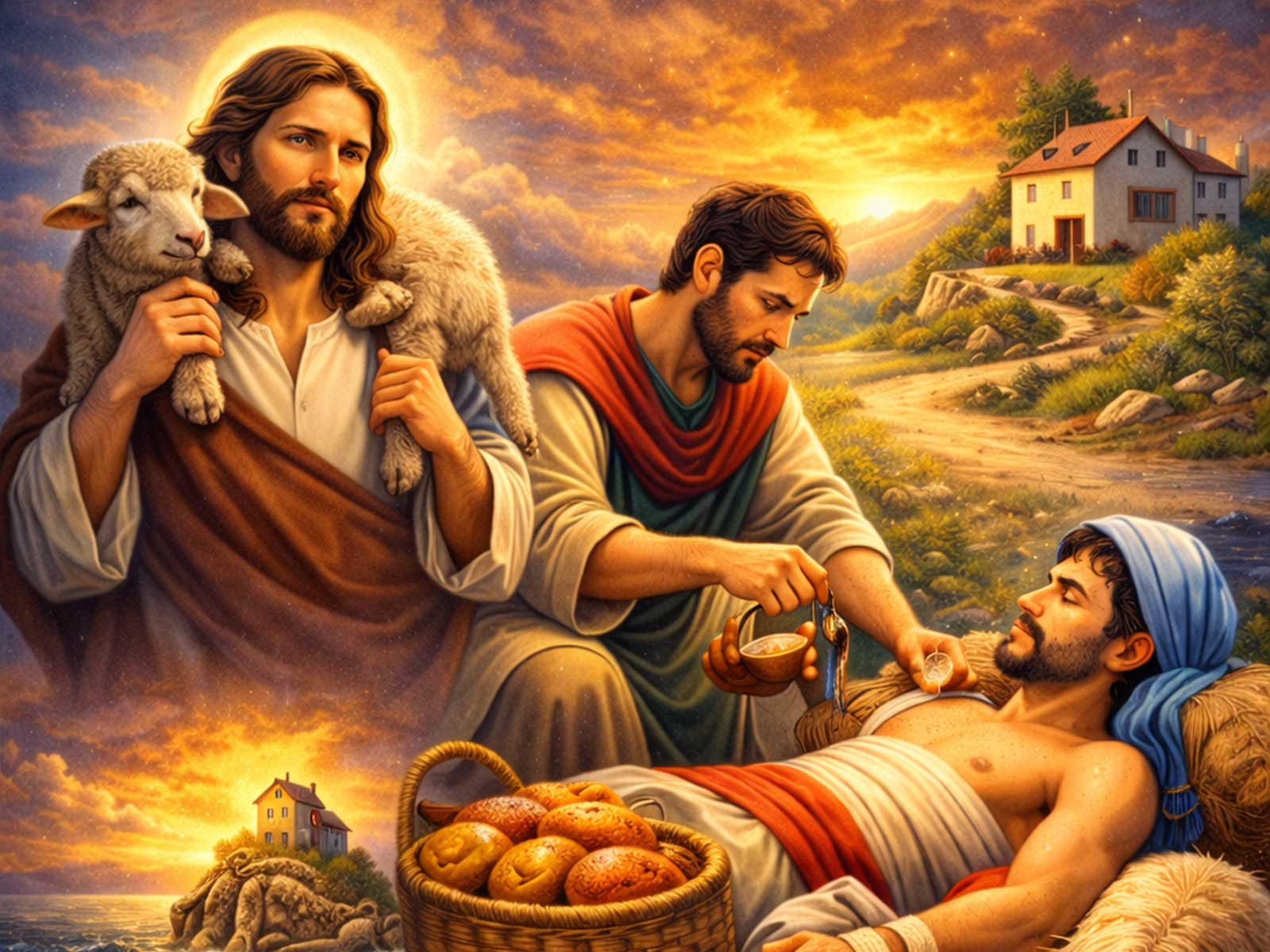
Because the Gospels present miracles as signs with pastoral and theological purpose, artists and devotional tradition often depict miracle scenes with attention to the human need and the moment of recognition. That emphasis mirrors the Gospel framing: the visual focus is typically on the encounter between need and mercy, not on sensational display.
A QUIET FINAL INTERPRETATION
The Gospel wilderness episode and the temptations it records offer a key to interpreting the miracles Jesus did. They prepare readers to see miracles not as ends in themselves but as instruments of mission—tests passed that committed Jesus to serve rather than to seek spectacle. That perspective invites a measured reading of miracle accounts: attentive to human need, attentive to ethical constraints, and attentive to the way signs are meant to lead toward recognition and faith.
Further reading: For commentary on the wilderness temptation and the Johannine concept of signs, see standard Gospel commentaries and the New Interpreter's Bible volumes that address how signs function in the narratives.