Miracles of Christ: Signs of Spiritual Authority and the Inbreaking Kingdom
The miracles of Christ, as the Gospels present them, function both as demonstrations of power and as signs that the Kingdom of God has begun to break into history. These healings, exorcisms, and restorations are portrayed not merely as wonders but as meaningful acts that authenticate Jesus' message and invite faith.
This article examines how Gospel miracles reveal Jesus' spiritual authority, their link to the proclamation of the Kingdom, and why the New Testament distinguishes revelatory signs from mere spectacle.
THE SCENE AND ITS HUMAN NEED·WHAT THE MIRACLE ACTUALLY CHANGES·WHAT THE GOSPEL WRITERS EMPHASISE
THE SCENE AND ITS HUMAN NEED
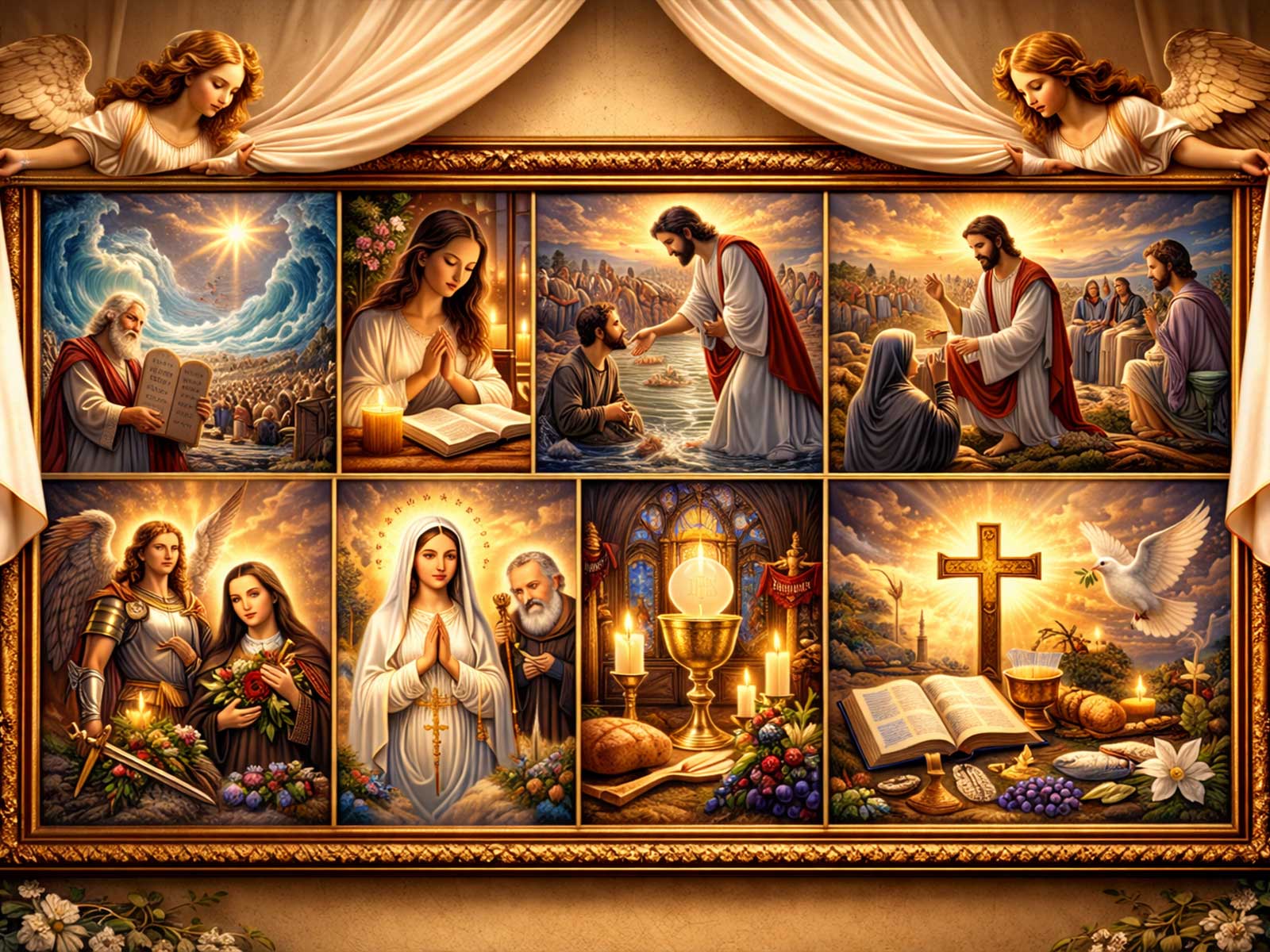
The Gospel miracle scenes are rooted in concrete human need: illness, demonic oppression, broken relationships, hunger, and even death. These narratives present Jesus encountering people in their vulnerability. The human dimension matters in the way the accounts describe compassion, touch, and restoration rather than merely listing feats of power.
WHAT THE MIRACLE ACTUALLY CHANGES
Scripture frames miracles as changes in status: from sickness to health, from bondage to freedom, from exclusion to community. Scholars note two related emphases in the New Testament accounts: the miracles demonstrate authority over nature, spirits, illness, and death, and they function theologically as signs that point toward eschatological restoration and salvation.
FAITH, COMPASSION, AND RECOGNITION
The Gospel narratives pair miracles with themes of faith and recognition. Miracles often occur amid responses of faith or recognition of Jesus' authority, and the accounts invite readers to see the acts as an occasion for belief. At the same time, the Gospels also record Jesus criticizing those who seek signs out of mere curiosity, drawing a careful line between signs that reveal and signs demanded as proof.
WHAT THE GOSPEL WRITERS EMPHASISE
Gospel writers link miracles to the proclamation that the Kingdom of God is arriving. Passages cited by scholars and commentators present miracles as evidence that God’s reign is breaking in—an inbreaking that Jesus announces and embodies. Statements such as the claim that expulsions of demons show the Kingdom has come emphasize the interpretive frame the evangelists give these acts.
SIGN VERSUS SPECTACLE
Early Christian teaching and later catechetical summaries stress that Jesus' miracles are signs inviting faith and pointing beyond themselves toward salvation, rather than spectacles for curiosity. The New Testament itself makes this distinction by recording Jesus' rebukes of those who demand signs simply to satisfy their desire for a show.
HOW MIRACLE SCENES LIVE ON IN CHRISTIAN ART
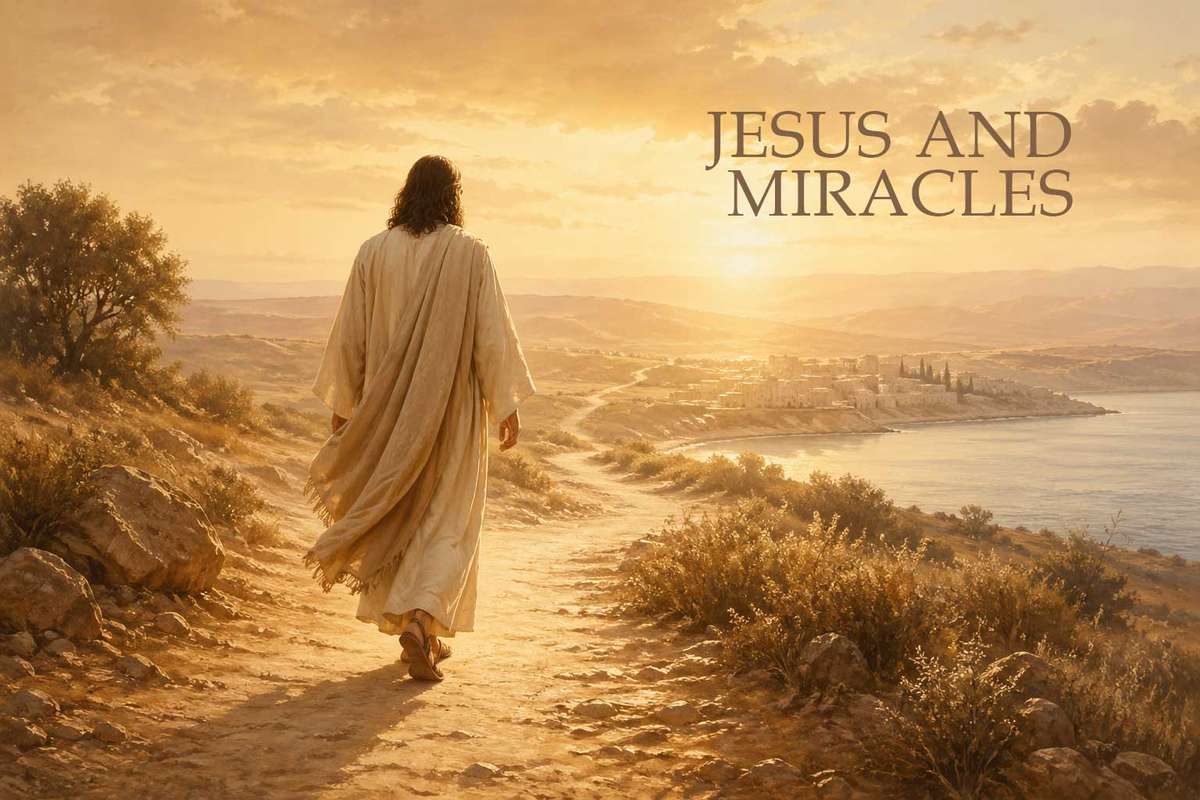
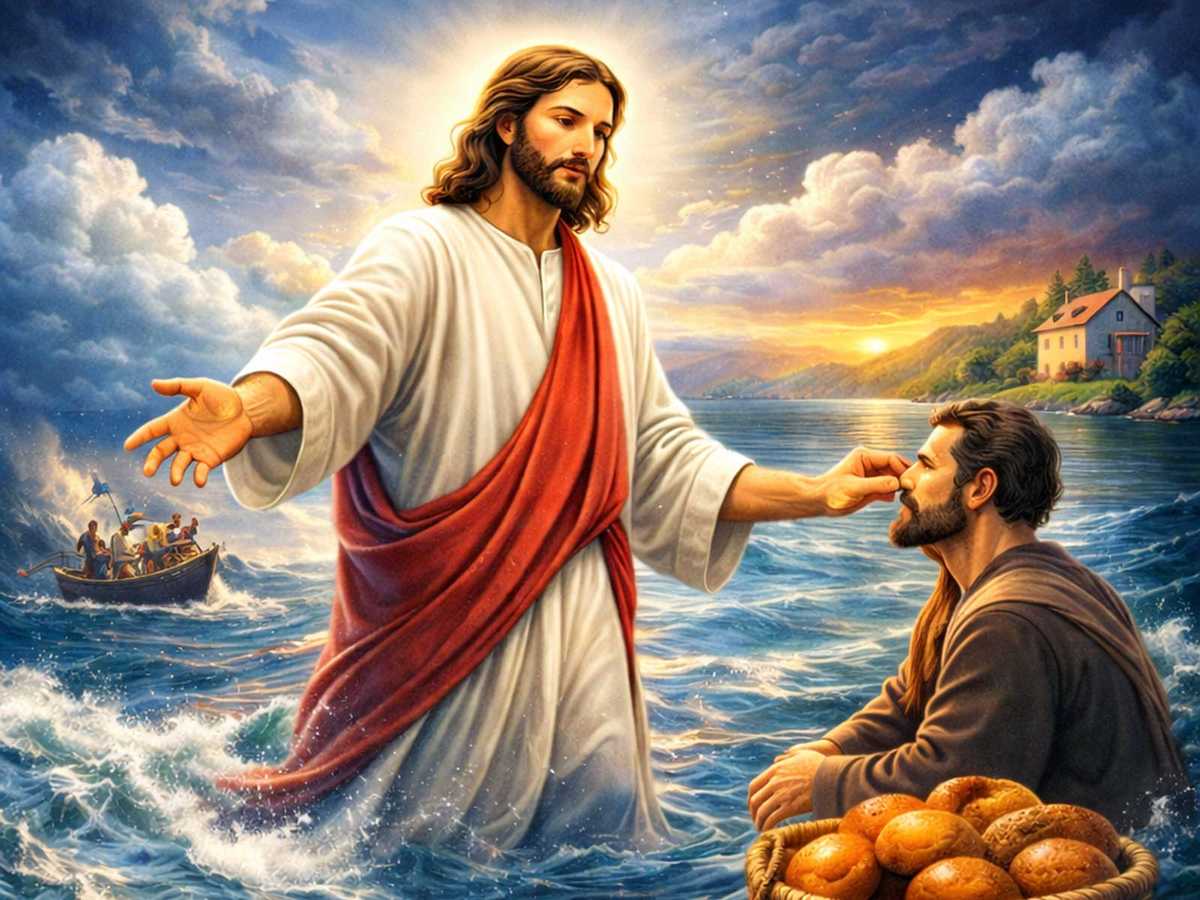
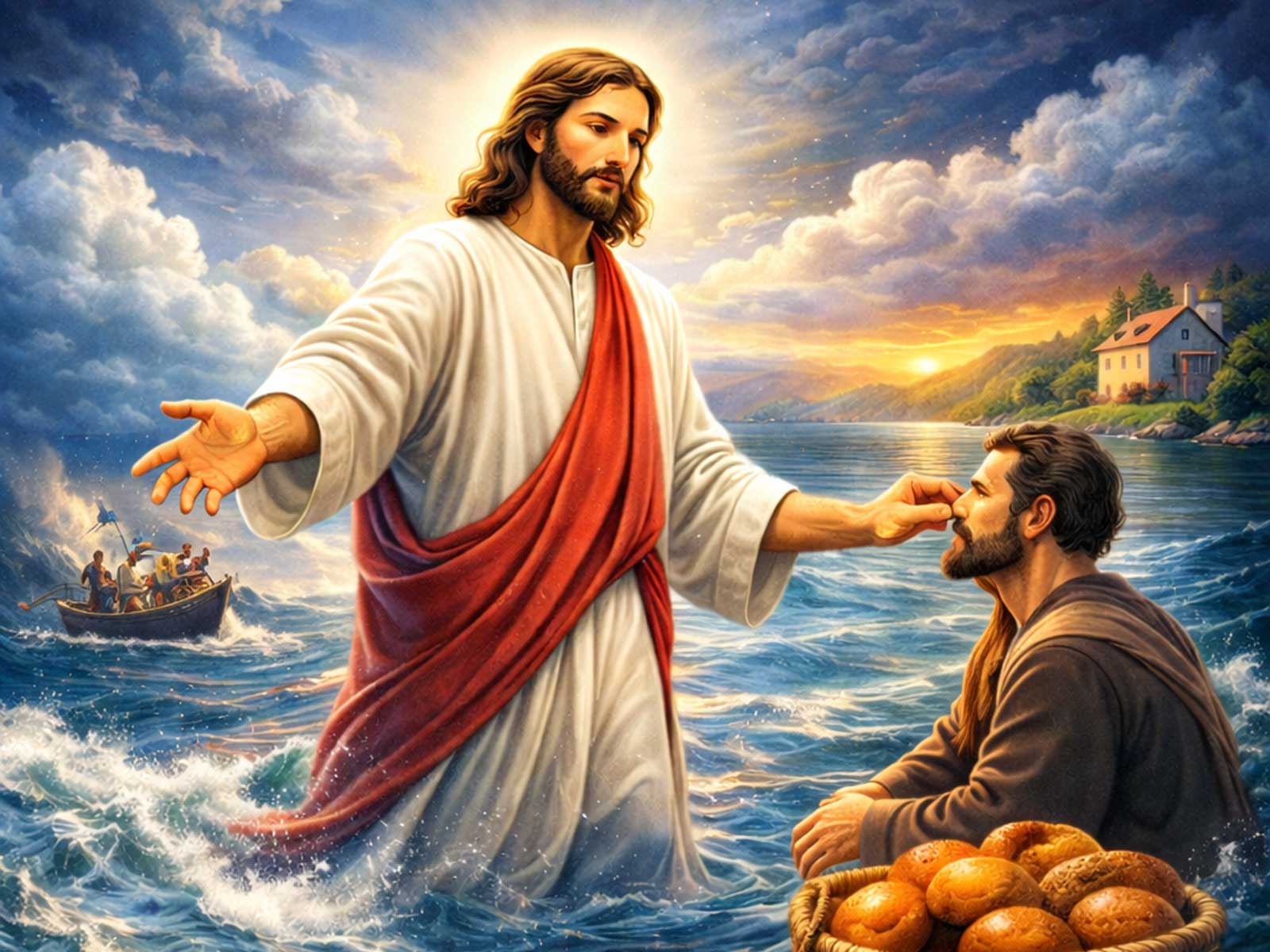
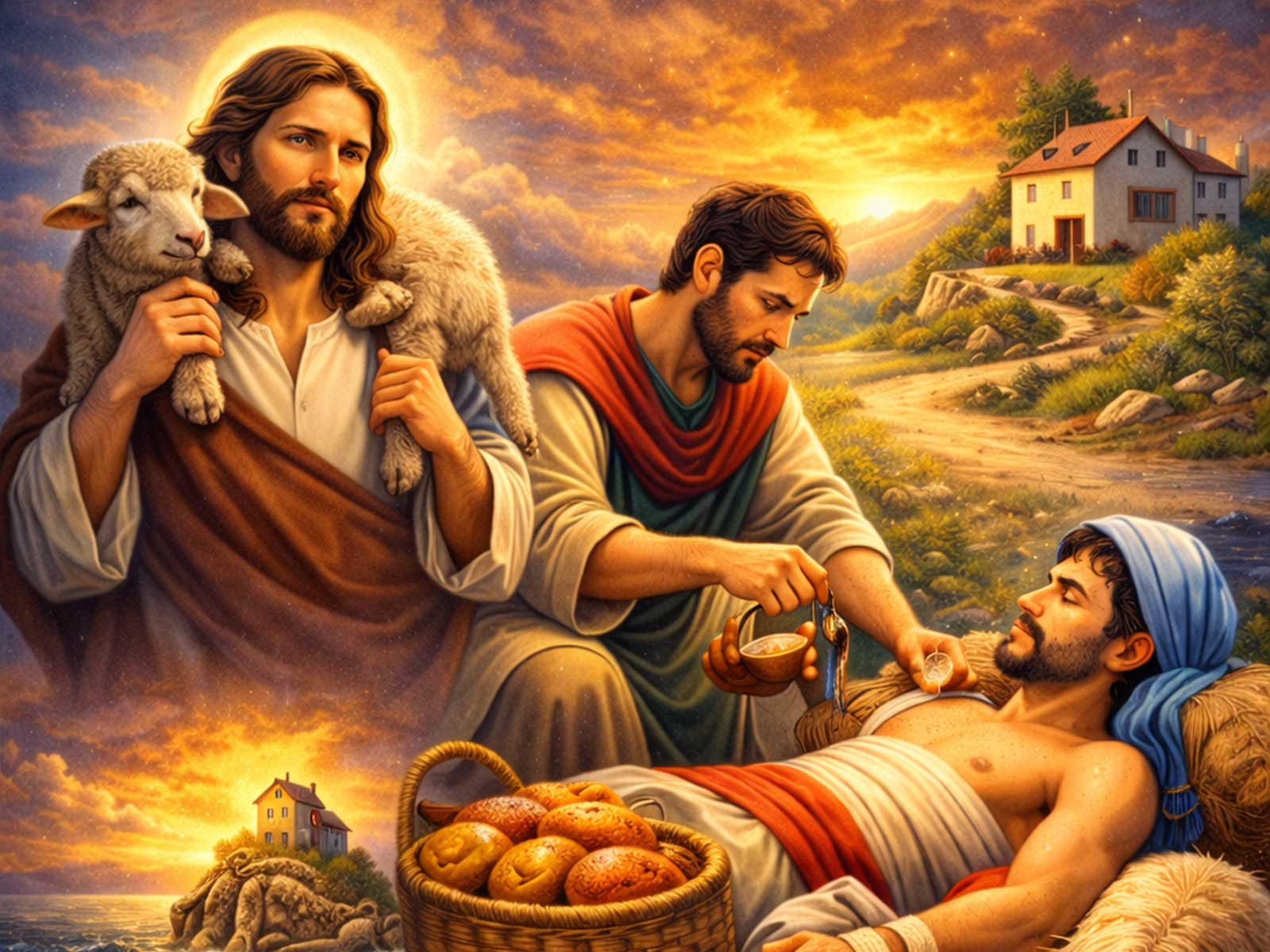
Because the miracles are narrated as acts of restoration and revelation, they have long inspired Christian imagery that highlights both compassion and authority. Artists and devotional traditions tend to emphasize the human encounter, the moment of touch or word, and the larger theological claim that these deeds point toward the Kingdom’s healing purposes.
WHAT THE STORY SAYS ABOUT JESUS
Theologically and historically, scholars agree that the miracle accounts serve to authenticate Jesus’ authority and to portray him as the agent through whom God effects renewal. The combined weight of terminology used in scholarship—sēmeia (signs) and dunameis (powers)—underscores the dual character of miracles as demonstrations of power that reveal a deeper salvific purpose.
A QUIET FINAL INTERPRETATION
Reading the miracles as signs helps preserve their spiritual purpose: they call attention to God’s restorative action in Christ and invite a response of faith, not merely curiosity. Whether encountered in Scripture, liturgy, or art, these stories continue to point toward a Kingdom that heals, frees, and gathers, distinguishing God’s saving work from mere spectacle.
Further reflection: consider how each miracle account in the Gospels frames both human need and the Kingdom’s answer—this balance is central to their meaning.