What Virgin Mary Apparitions Mean for the Faithful: Devotion, Interior Call…
Marian apparitions occupy a distinctive place in Christian spiritual life: they are reported private revelations that often awaken deep devotion, inspire pilgrimage, and call individuals to conversion. At the same time, the Catholic Church treats such phenomena with clear norms and pastoral prudence.
Approved apparitions remain private revelations; they can encourage prayer but do not add to doctrine.
Why devotees are drawn, how the Church discerns claims, and how to speak about apparitions with care.
THE PLACE, MOMENT, OR EVENT IN CONTEXT
The Church distinguishes public Revelation, which is complete in Christ, from private revelations such as reported Marian apparitions. Private revelations may be meaningful for individuals or communities, yet they do not change or complete the deposit of faith. This context shapes how the faithful understand and receive accounts of apparitions.
WHY THIS MARIAN STORY MATTERS TO BELIEVERS
For many believers, apparitions matter because they can act as a tangible sign that encourages conversion, renewed prayer, and deeper trust. The verified guidance notes that one criterion for discernment is the spiritual fruit of an event — for example, increased prayer, charity, and a movement toward repentance. These results help explain why some apparitions become central to personal and communal devotion.
DEVOTION, PRAYER, AND PILGRIMAGE
Popular devotion to approved or widely followed apparitions has often produced established pilgrimage sites and devotional practices. Such sites can offer consolation and a focus for communal prayer. When ecclesiastical authorities authorize certain devotional practices, that authorization is pastoral and distinct from a formal judgement that an event is supernatural in origin.
HOW THE CHURCH OR TRADITION TREATS THE EVENT
The Church has long had norms to guide bishops and the faithful in discerning alleged apparitions. Local bishops have primary competence to investigate, using criteria such as the visionary’s psychological balance and moral life, the theological content of messages, and the absence of grave doctrinal error or financial exploitation. The Dicastery for the Doctrine of the Faith published updated norms that underscore careful investigation and emphasize that positive recognition is not the general rule.
ICONOGRAPHY, VISUAL MEMORY, AND MARIAN IMAGERY
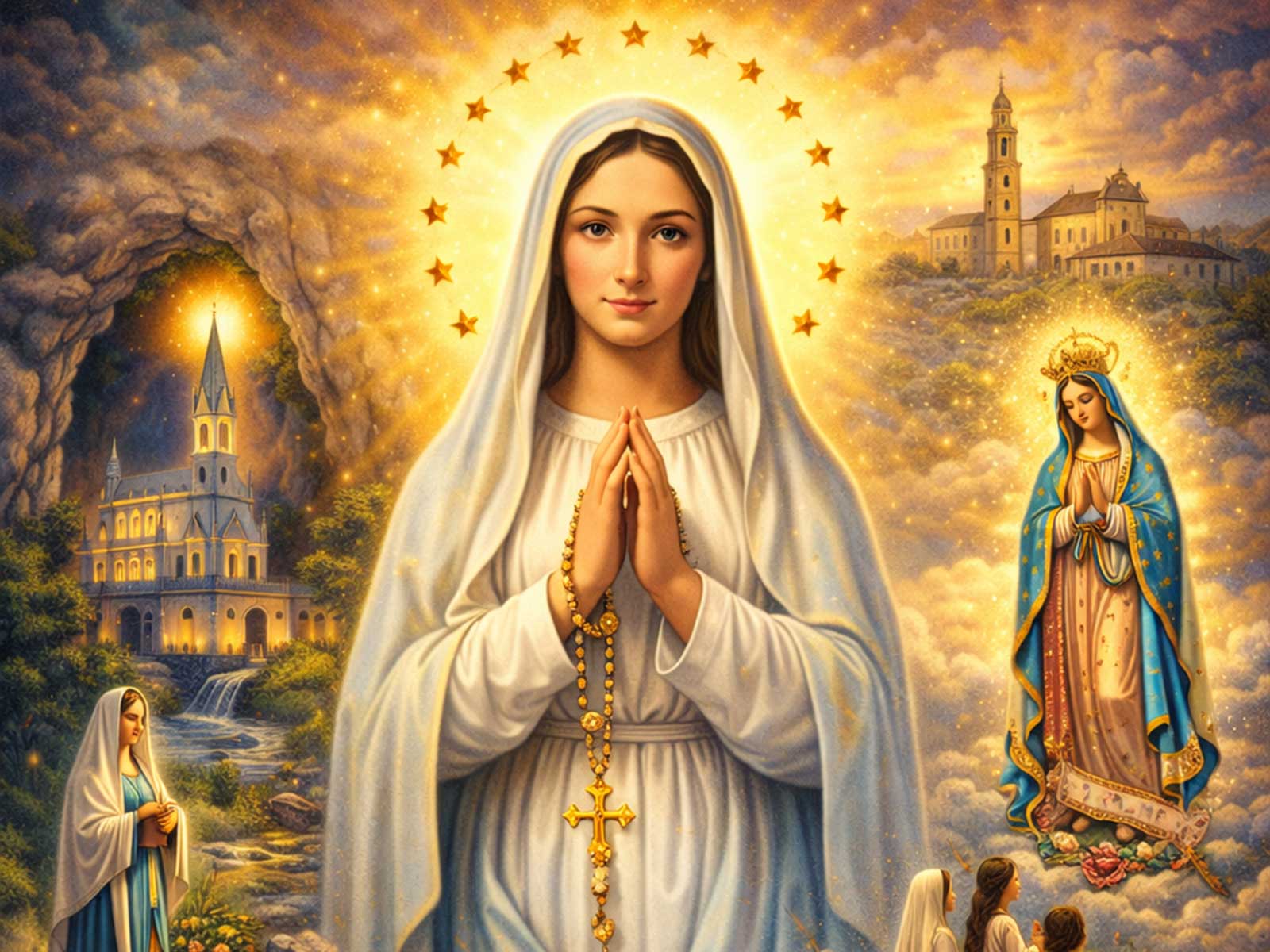
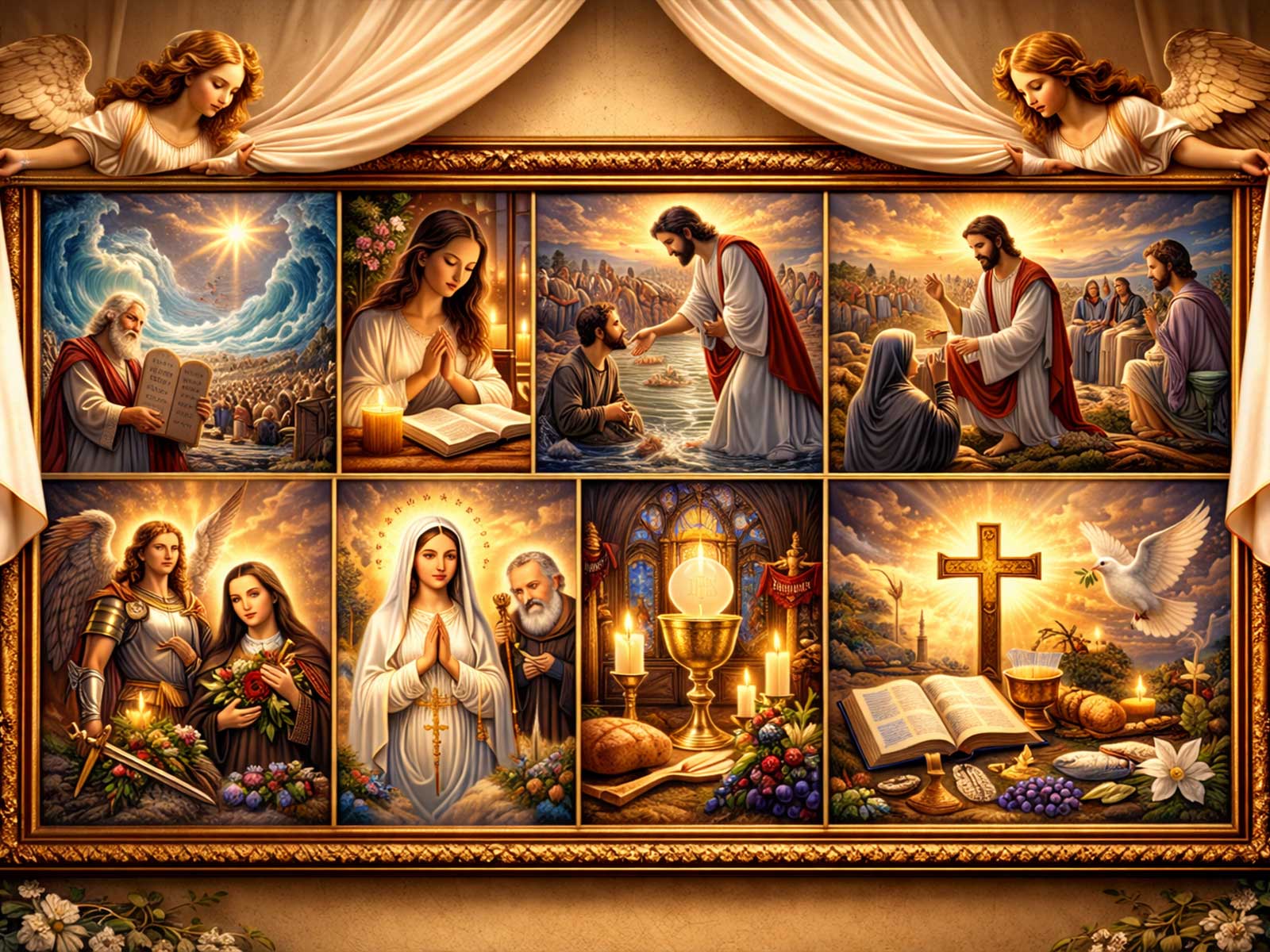
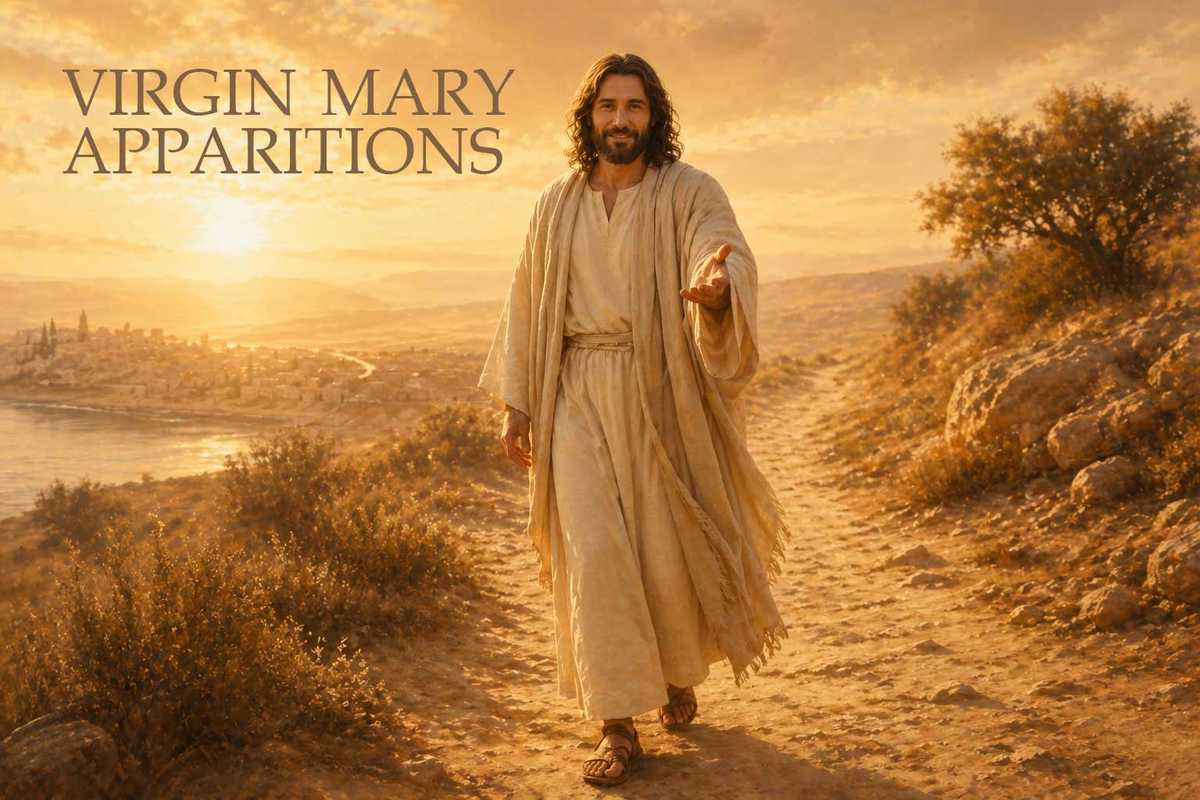
Apparitions often leave visual traces: images, statues, shrines, and devotional art that help communities remember and enter into the spiritual themes associated with the event. Such iconography can shape prayer and popular piety, helping the faithful to imagine inner attitudes of trust, penance, and intercession without altering Church teaching.
WHAT PEOPLE SEEK IN THIS DEVOTION
Those drawn to Marian apparitions commonly seek consolation in times of need, an invitation to deepen prayer, visible encouragement for conversion, and a sense of maternal intercession. The Church’s discernment process looks at these spiritual fruits as part of determining pastoral value while keeping doctrinal integrity central.
WHY THE STORY ENDURES ACROSS GENERATIONS
When apparitions lead to authentic growth in prayer, charity, and ecclesial life, they tend to endure. Approved and widely known examples have also become places where the faithful gather, preserving collective memory through ritual, art, and repeated pilgrimages. Endurance is less a proof of supernatural origin than a sign of ongoing spiritual fruit and pastoral care.
A REVERENT CLOSING INTERPRETATION
Marian apparitions, understood as private revelations, can be precious moments of spiritual renewal for many believers. At the same time, the Church’s norms remind Christians to receive such claims with both openness to grace and disciplined discernment. That balance—between devotion, interior conversion, and prudent public speech—helps the faithful honor what may be spiritually uplifting while safeguarding the integrity of the Gospel and communal life.
Editorial note: The Dicastery for the Doctrine of the Faith’s 17 May 2024 norms and longstanding guidance frame the Catholic approach to alleged apparitions, highlighting pastoral investigation, local episcopal competence, and careful public communication.