Orthodox Iconography: How Color, Gesture, Face and Frontal Composition Convey…
Orthodox iconography is not a simple attempt at visual realism but a deliberate, theologically grounded language. Every element—color, gesture, facial treatment and composition—functions as symbolic theology, inviting prayer and contemplation rather than narrative immersion.
This article explains how icons communicate doctrinal and devotional meaning through established conventions of color, pose, face and frontal composition used in liturgy and private devotion.
What the visual language of icons means at its core
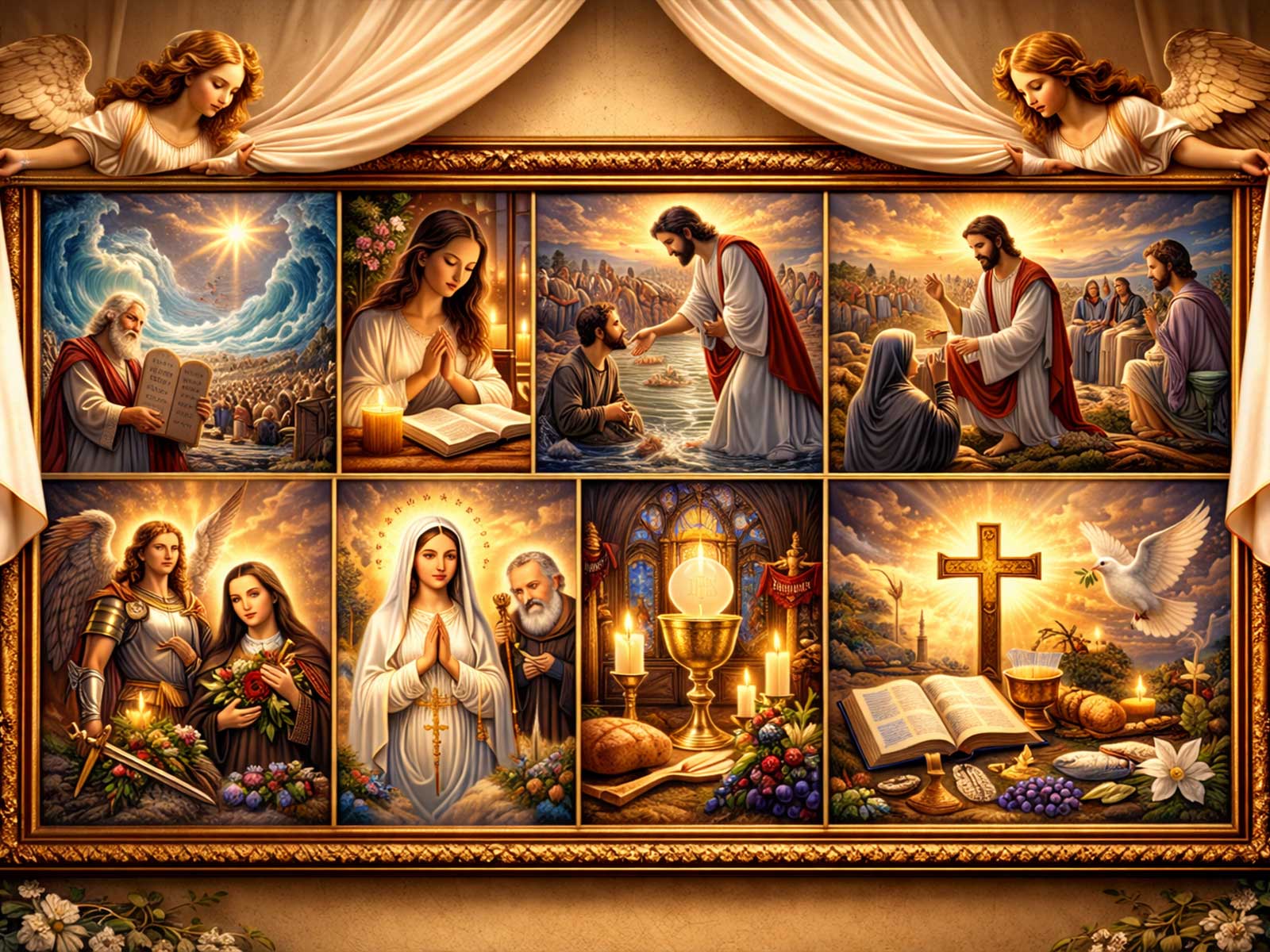
Icons are often described as "written" theology: a visual grammar that expresses Christian truths. Rather than imitating the visible world, iconography uses images to make present spiritual realities. Each choice—pigment, pose, or compositional plan—carries meaning intended to teach, to call the viewer to prayer, and to act as a window into the Kingdom.
Biblical and traditional roots of the practice
The theological and pedagogical foundations of iconography are long-standing within Orthodox tradition. Icons are grounded in patristic teaching and ecclesial practice that distinguish veneration of icons from worship due to God alone. The tradition includes canonical models, manuals, and the copying of sacred prototypes to preserve theological content across generations.
Colors as theology: what pigments communicate
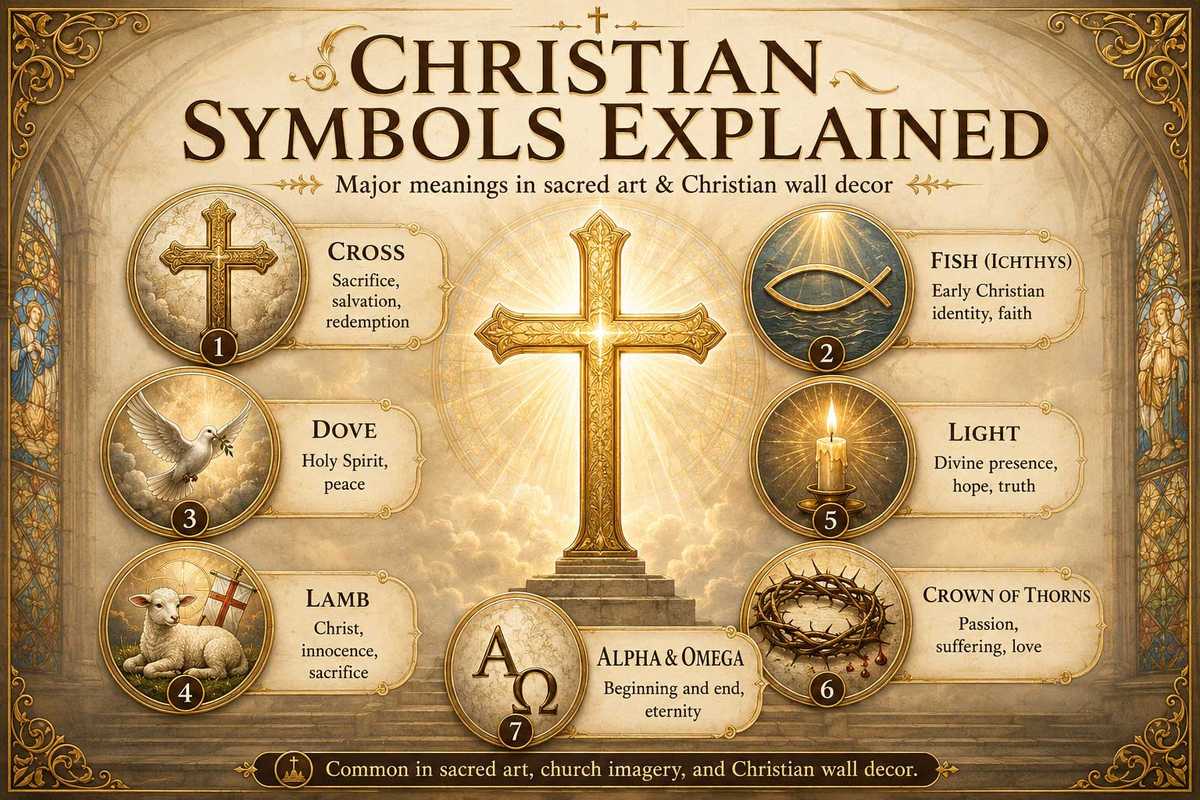
Color in icons is symbolic and conventional. For example, gold represents divine light or heaven; blue is linked with divinity and heavenly life; red can signify life, sacrifice or resurrection; green suggests renewal and eternal life; and white conveys purity. These choices express theological truths rather than reproduce natural appearances.
Gestures and poses: a vocabulary of prayer
Hand gestures and bodily postures in icons are standardized signs. A blessing hand, the posture of the Theotokos, or the orant position communicate doctrinal points and liturgical roles. Specific configurations, such as the way Christ blesses, function as recognizable statements of belief and as invitations to join in prayer.
Facial stylization and the sacred frontal gaze (frontalità)
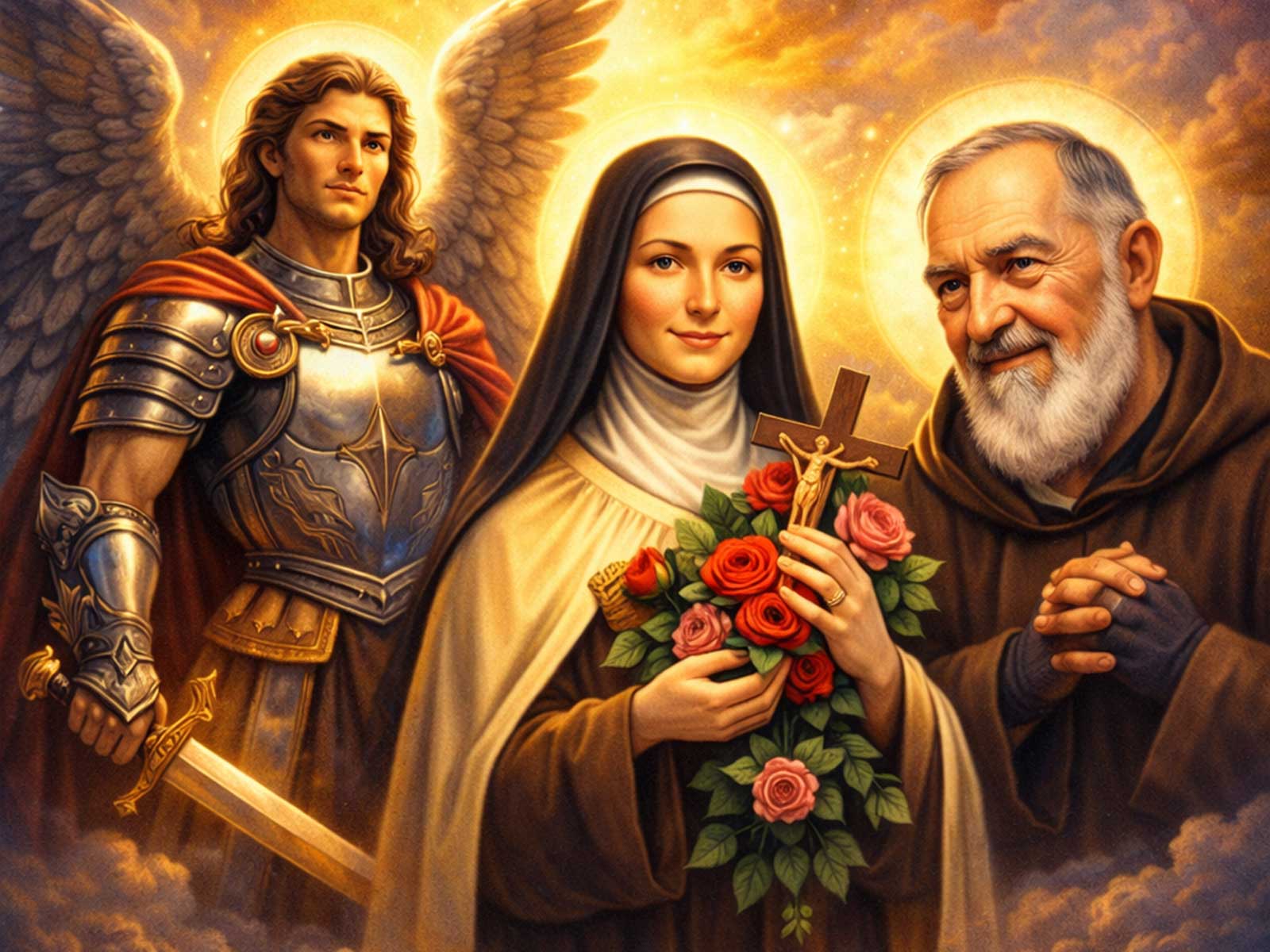
Face treatment in icons is intentionally stylized: features may be elongated, modeling reduced, and eyes emphasized to indicate an inner, transfigured reality. The frontal composition—figures shown facing the viewer—creates a sacred encounter. This direct gaze is meant to draw the viewer into contemplation rather than to tell a passing story.

How icons function in worship, devotion and communal memory
Icons serve liturgical and devotional purposes. They appear in the iconostasis and in homes, aiding personal and communal prayer and remembrance of salvation history and the saints. The tradition understands icons as "windows into the Kingdom"—objects that mediate the presence of holy mysteries and support the faithful in remembering and participating in the life of the Church.
Technique, continuity and the iconographer's practice
Iconography follows established canons and pedagogical conventions transmitted through workshops and manuals. Iconographers traditionally work prayerfully, following prescribed models and materials—such as egg tempera and gold leaf—that maintain continuity with Byzantine practice and connect contemporary work to the historic craft and theology.
Why this visual language endures today
The enduring power of icons lies in their clarity and liturgical usefulness. By privileging symbolic meaning over naturalistic detail, icons remain accessible across cultures and centuries. Their fixed vocabulary of color, gesture and frontal presentation fosters communal memory and makes them memorable and spiritually effective in homes, churches, prints and devotional objects.
A clear and quiet conclusion
Orthodox iconography teaches by sight: a disciplined visual theology that transforms color, gesture and stylized visage into instruments of prayer. Far from mere decoration, icons form a language that invites believers into contemplation, anchors communal memory, and points beyond themselves to the divine light they iconically reveal.