Church of Jesus Christ: How a Name Holds Memory, Presence and Fidelity
Giving a congregation the name "Church of Jesus Christ" is more than a label. Across Christian traditions, naming a church after Jesus signals theological intent: it proclaims belonging to Christ, recalls foundational events, and orients communal life toward worship and fidelity.
This article explores why Christian communities adopt Christ-centered names and how those names express memory, presence, and fidelity without privileging any single tradition.
WHO THIS NAME DECLARES AT THE CORE
Many Christian denominations intentionally use names like "Church of Jesus Christ," "Church of Christ," or similar Christ-centered titles. Such names are treated by communities as theologically significant rather than merely descriptive. They announce, from the first glance, that the congregation understands itself as belonging to Jesus and ordered around his authority and presence.
HISTORICAL AND DENOMINATIONAL USES
Different movements have adopted Christ-centered names for varied reasons. Restorationist and some Protestant traditions, for example, favor biblical names such as "Church of Christ" to emphasize scriptural authority and the centrality of Christ in identity and practice. At the same time, other groups have formalized the use of Jesus’ name in recent history as part of clarifying institutional identity.
HOW A NAME SIGNS MEMORY, PRESENCE, AND ADORATION
Theological literature across Christian families links sacred names and places to three intertwined realities: memory, presence, and worship. A church named after Jesus can function as a living sign that recalls God’s actions in history, affirms Christ’s abiding presence among the faithful, and orients the community toward adoration and faithful practice. These themes appear in Catholic devotional and shrine literature and resonate in other traditions that underscore the meaning of naming.
SCRIPTURAL FOUNDATIONS THAT SUPPORT THE PRACTICE
Scripture passages are commonly cited in support of calling a community by Christ’s name. Verses that speak of Christ’s presence when believers gather or of doing all things in the name of the Lord are used across traditions to justify and illuminate the practice. Such biblical references provide a catechetical and worshipful rationale for centering a congregation’s identity on Jesus.
PRACTICAL FUNCTIONS OF A CHRIST-CENTERED NAME
Naming practices also serve practical functions. They communicate belonging—claiming that a congregation belongs to Christ—distinguish one group from another, recall foundational events or commitments, and signal the focus of worship and communal fidelity. In short, the name carries both theological weight and community-identifying purpose.

ACKNOWLEDGING DIFFERENCES WITHOUT COMPETITION
While many movements emphasize the importance of using Jesus’ name, the emphasis and forms vary. Some church bodies have undertaken public efforts to encourage precise usage of their full titles and to explain why that naming matters for identity and mission. Other traditions name congregations after saints, doctrinal themes, or local devotions; where Christ-centered names are chosen, they typically aim to make visible the centrality of Jesus rather than to erase other legitimate naming practices.
THE NAME IN ART, SIGNAGE, AND DEVOTION
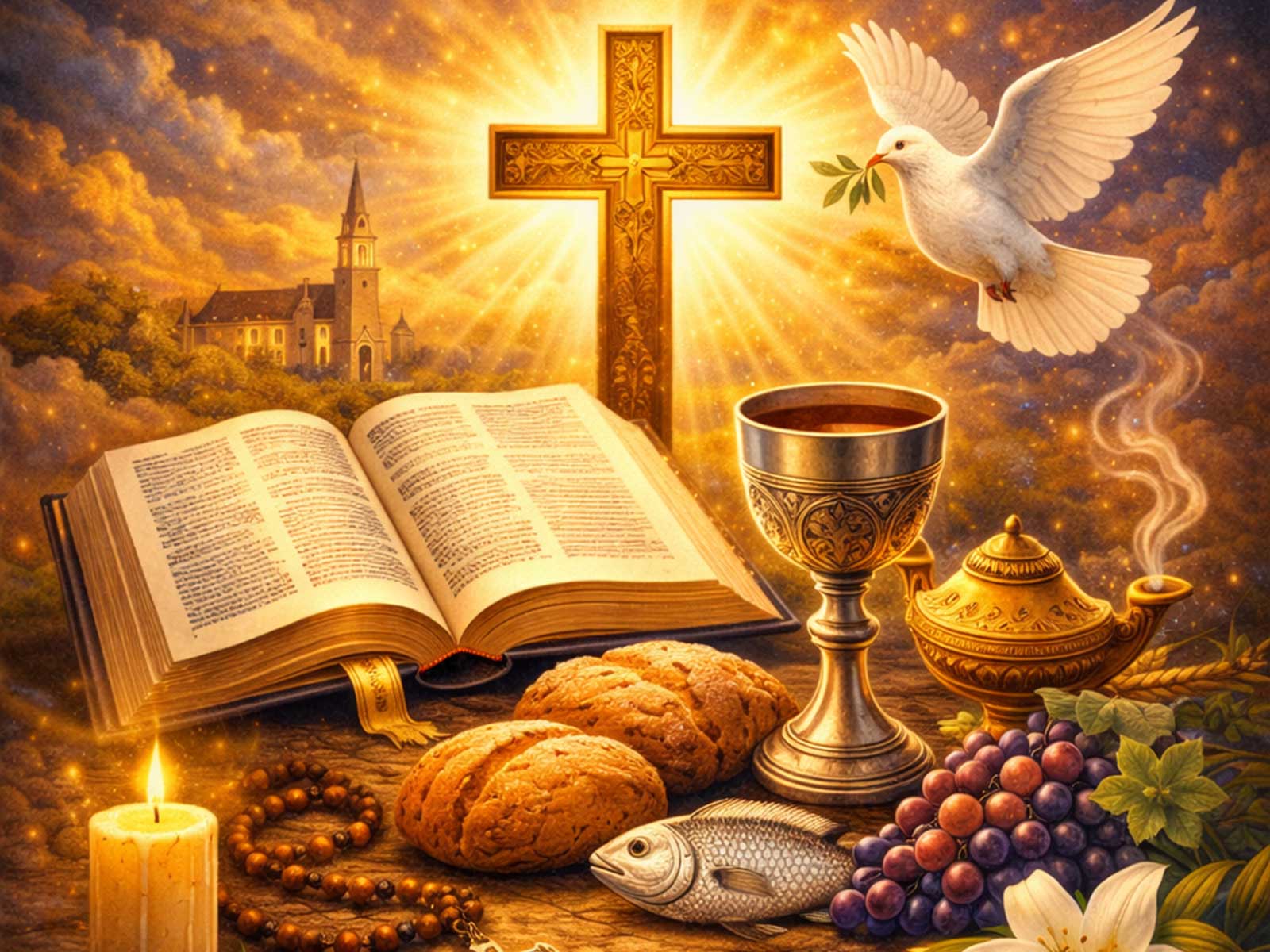
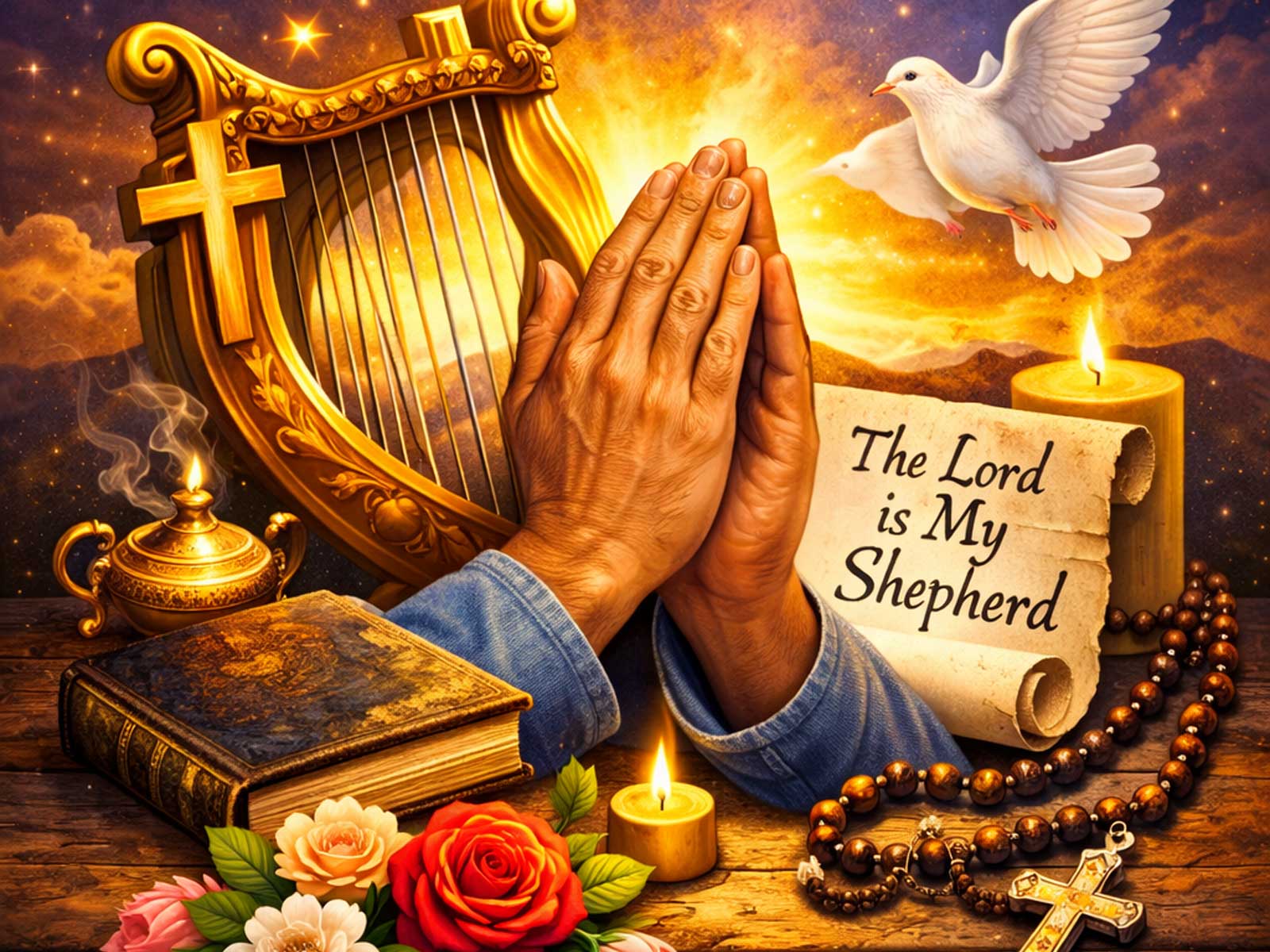
Christ-centered names shape the visual and devotional life of a community: from signage and liturgical language to devotional texts and teaching. By foregrounding Jesus’ name, churches invite congregants and visitors to remember Christ’s role in salvation, sense a continuing presence in worship, and practice fidelity in word and deed. This influence extends into Christian art and decor where inscriptions, symbols, and dedications recall the name and mission of Jesus.
A QUIET CLOSING REFLECTION
Choosing to call a congregation the "Church of Jesus Christ" is a public act of memory and devotion. It declares belonging, fosters a sense of presence in worship, and calls a community toward faithfulness. Across traditions, that decision carries both theological import and everyday consequences for how Christians remember, adore, and live out their calling.
This overview draws on denominational histories and theological reflections that connect naming to memory, presence, and fidelity across Christian traditions.