What Makes Marian Sites Places of Pilgrimage, Consolation and Spiritual Memory
Major Marian sanctuaries draw pilgrims by combining remembered events, lived worship and pastoral ministry. Rooted often in reported apparitions or associated miracles, these sites become places where believers come seeking prayer, quiet and consolation.
Summary: Marian sanctuaries attract the faithful through apparition narratives and devotional practices, sustained sacramental life, pastoral care for the sick, and rituals that create communal memory.
The place, moment, or event in context
Many major Marian sanctuaries trace their significance to reported apparitions or accompanying miracles; these narratives historically mark the site as distinct and invite pilgrims who seek consolation or healing. Such origin stories help explain why people travel to specific grottos, basilicas or chapels and form the core memory that visitors carry with them.
Devotion, prayer, and pilgrimage
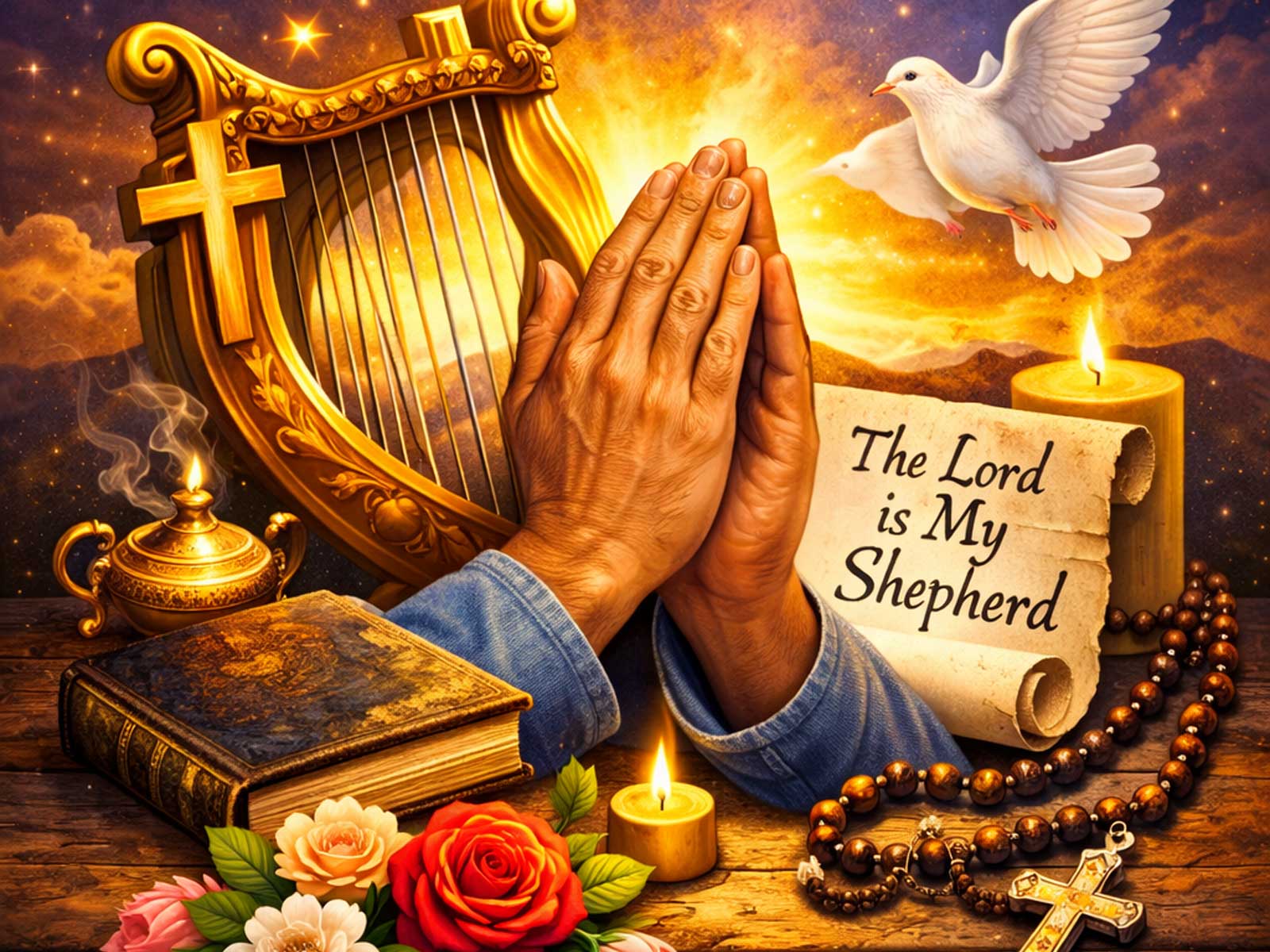
Ritual practices shape a sanctuary’s spiritual atmosphere. Regular devotions—such as the Rosary, Stations of the Cross, Eucharistic adoration and liturgical processions—create rhythms of prayer and silence. These routine practices allow visitors to enter personal recollection while participating in communal devotion, offering a structured path for those seeking hope and renewed trust.
Sacramental and pastoral life
Sanctuaries offer a concentrated sacramental life: Mass, the Eucharist and confession are central services provided to accompany pilgrims. Pastoral care at these sites commonly includes accompaniment and specific ministries for the sick and suffering. This sacramental and pastoral ministry is integral to the sanctuary’s role as a place of consolation.
Infrastructure, rituals and practical care
Major Marian sites typically develop physical and pastoral infrastructures to serve visitors: chapels, basilicas, confessionals, infirmaries, clear signage and multilingual services. Organised rituals and calendar events—feast days and processions among them—help meet both spiritual and communal needs, enabling large, diverse groups to participate more fully in the life of the shrine.
Iconography, visual memory, and Marian imagery
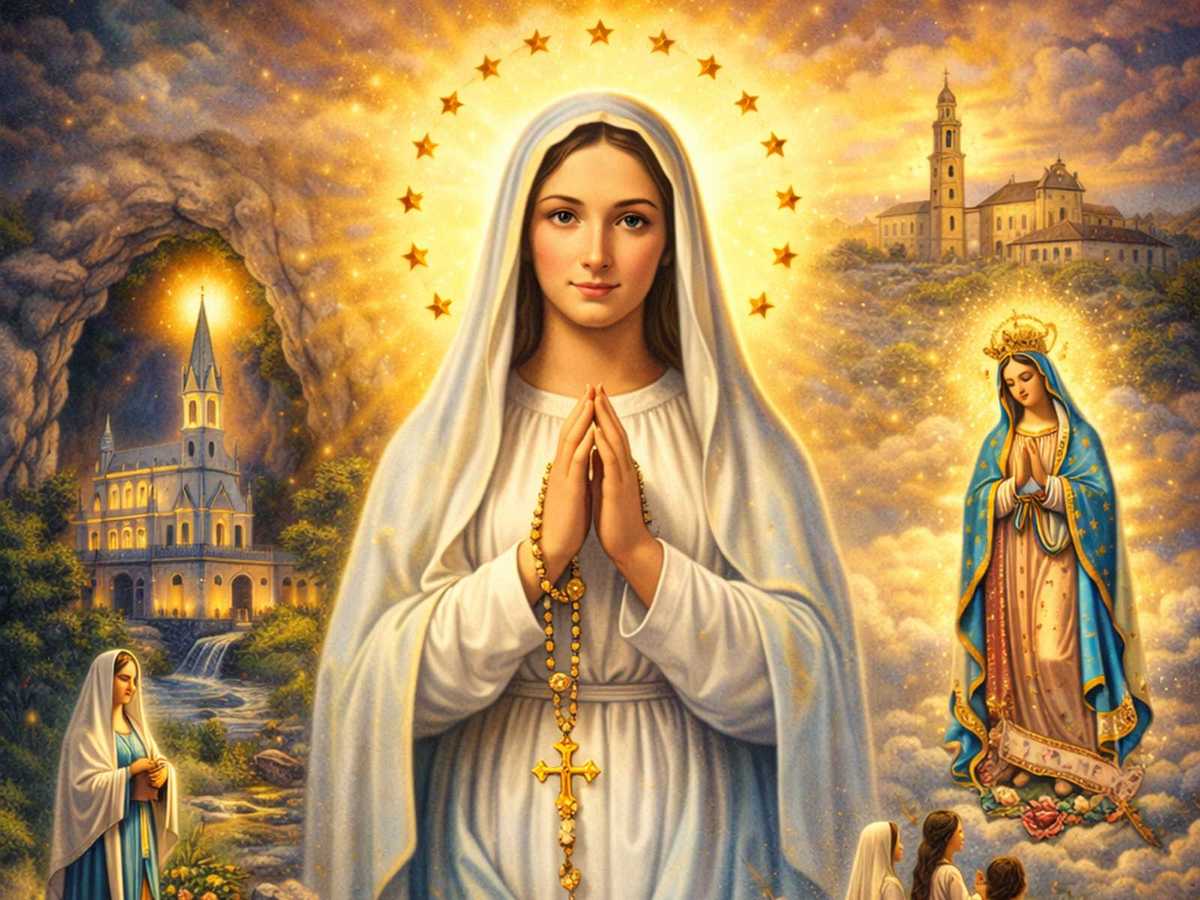
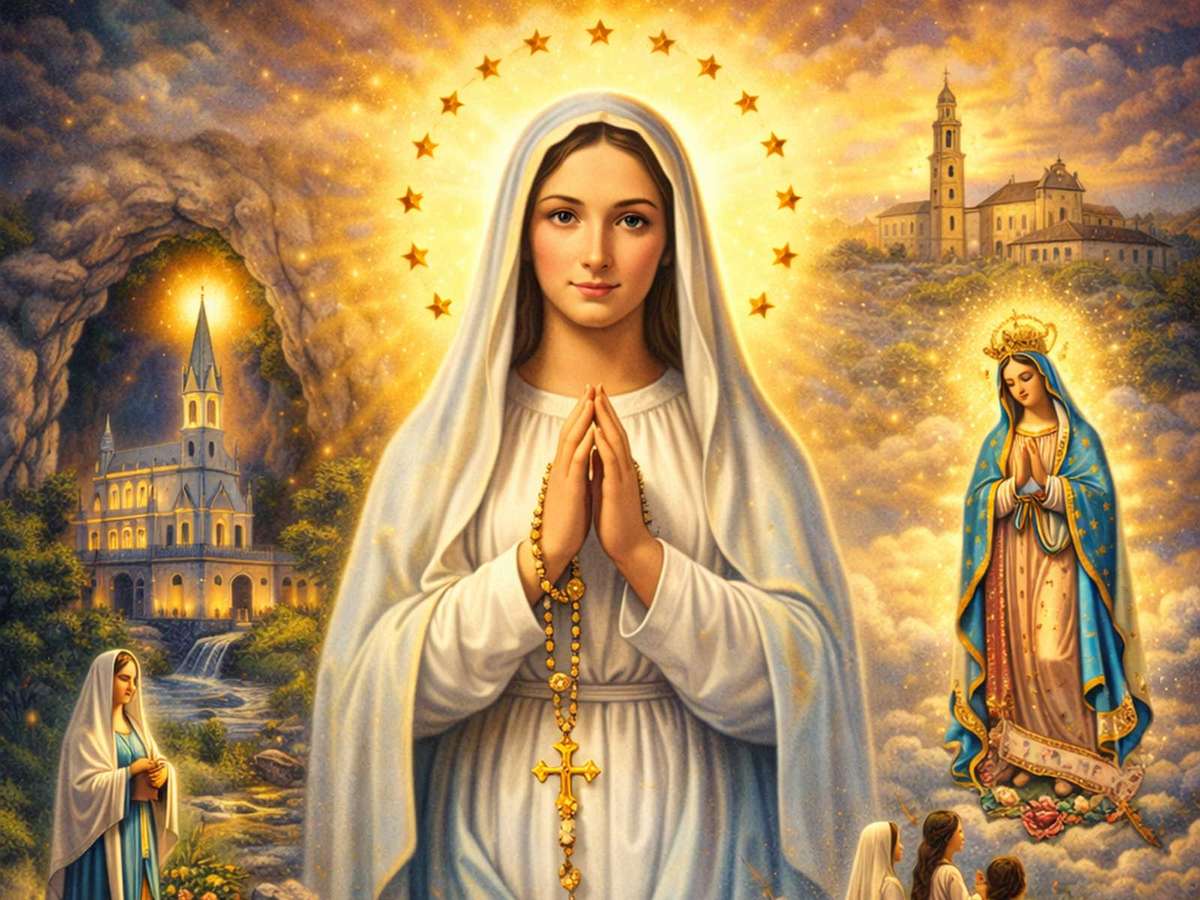
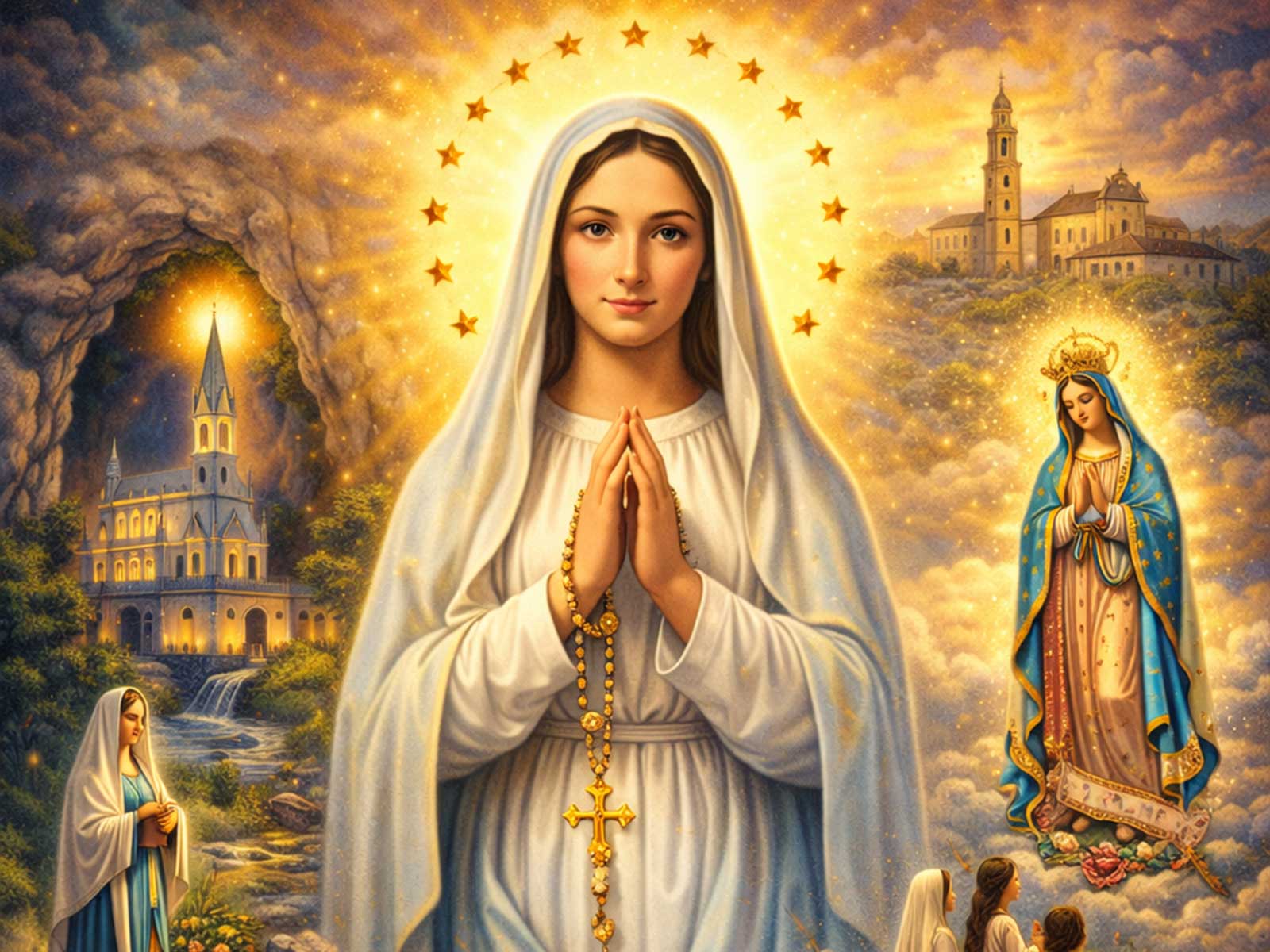
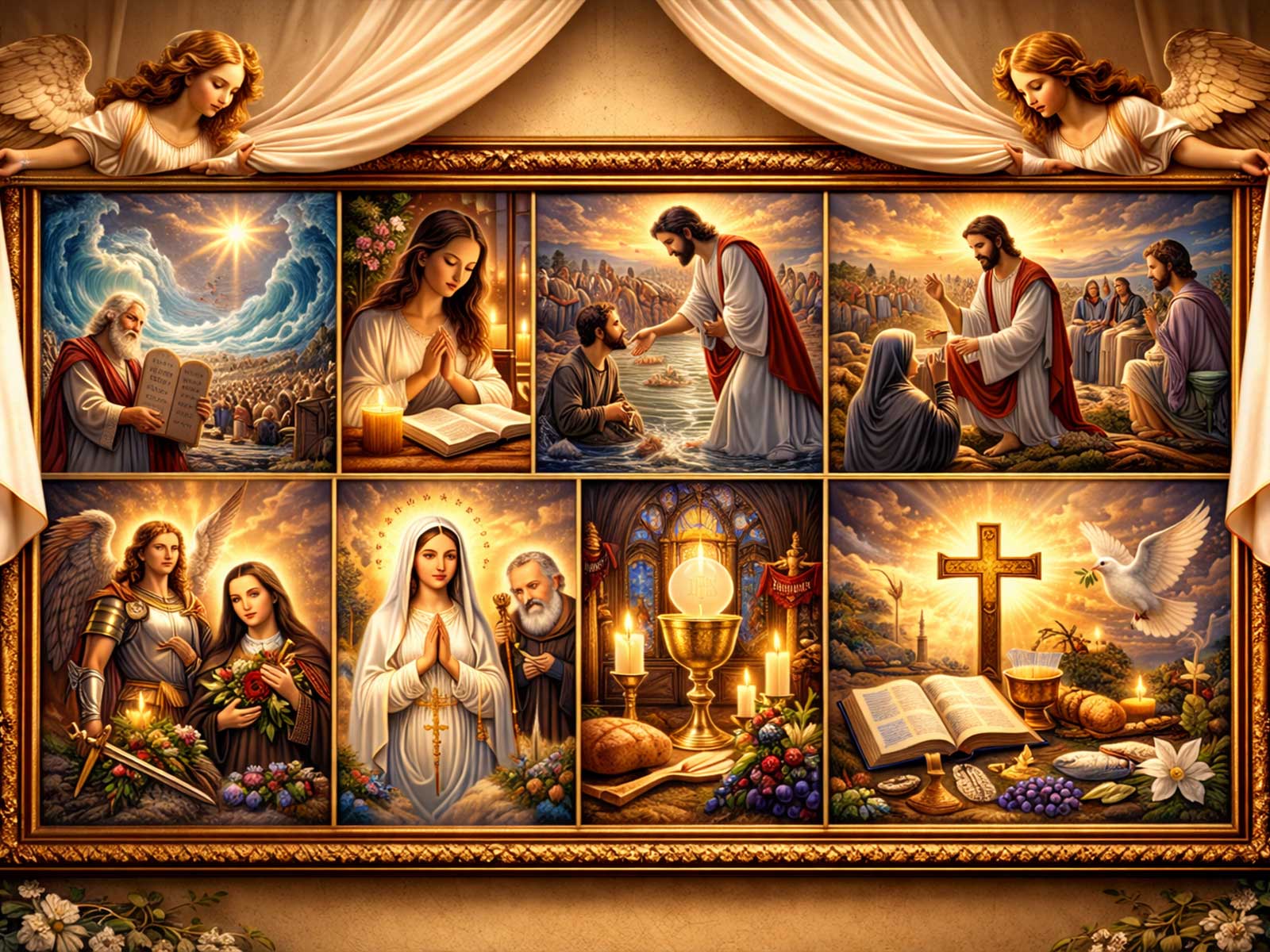
Visual elements—images, statues, preserved relics or the very locale tied to an apparition—sustain devotional memory. Iconography works alongside ritual to provide tangible points for prayer and recollection, helping believers to remember and retell the foundational narratives that give the sanctuary its identity.
Memory, presence and a hopeful future
Scholarly reflection describes three theological-temporal dimensions present at shrines: memory (the past revelation or testimony connected to the site), presence (the sacramental and communal life experienced in the present), and prophecy (the hope and expectation oriented toward the future). These combined dimensions help explain why sanctuaries retain their appeal across generations.
How the Church and tradition approach shrines
Church documents and pastoral guidelines treat shrines as privileged places for encounter with Christ and for evangelization. Shrine ministry is expected to include catechesis, listening, spiritual accompaniment and services adapted to the needs of pilgrims. This institutional framing supports the pastoral structures that make sanctuaries effective places of consolation.
What people seek in Marian devotion
Pilgrims come for many reasons: prayer, repentance, healing, silence, or simply to join a communal act of remembrance. The combination of a remembered event, devotional practice, sacramental access and pastoral attention creates an environment where individuals can encounter consolation and renew hope.
Why these stories and sites endure
The endurance of Marian sanctuaries rests on their ability to weave personal testimony into communal ritual and institutional care. Tangible practices and tangible places keep memories alive, while sacramental presence and pastoral outreach make those memories spiritually fruitful for new generations.
A reverent closing reflection
Major Marian sanctuaries remain significant because they gather memory, prayer and pastoral care in one place. For believers seeking silence, consolation or hope, these sites offer a practiced way to enter into recollection and encounter—rooted in tradition, sustained by communal worship, and shaped by pastoral service.