Crucifix vs Cross: Visual Difference, Devotional Meaning, and Use in Art and…
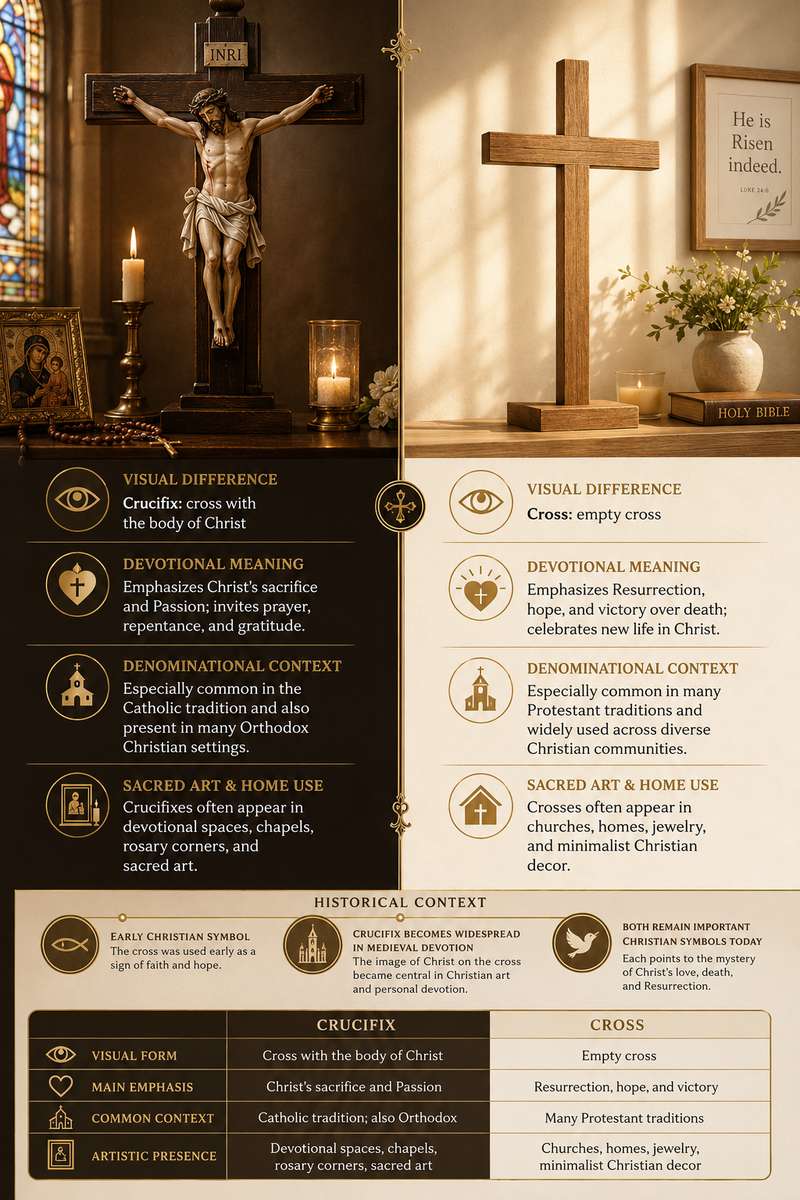
The terms crucifix and cross are closely related but not identical. A crucifix is a cross that includes a representation of the body of Jesus (the corpus); a plain cross is the simple intersecting-beam form without a figure. Understanding this distinction helps clarify what each image emphasizes in devotion, liturgy, and Christian wall art.
Quick summary: The crucifix depicts Christ’s body and highlights the Passion and sacrificial death; the plain cross, without a corpus, commonly emphasizes the Resurrection and victory. Use varies by tradition and appears differently in churches, homes, and art.
Quick access: Definition • Liturgy & tradition • Sacred art • Home devotion
Clear definition
A crucifix is defined by the presence of a depiction of Christ’s body attached to the cross. The corpus is the defining visual element. By contrast, a (plain) cross is the figureless geometric form of two intersecting beams used as a Christian symbol without a depiction of Christ.
Biblical roots and emphasis
Scripture provides the events that underlie both images: the crucifixion and the Resurrection. The crucifix visually centers the Passion and Christ’s sacrificial death, while the plain cross more often points viewers toward the Resurrection and victory over death. Both relate to the same biblical events but highlight different aspects of those events in Christian memory and devotion.
Spiritual meaning
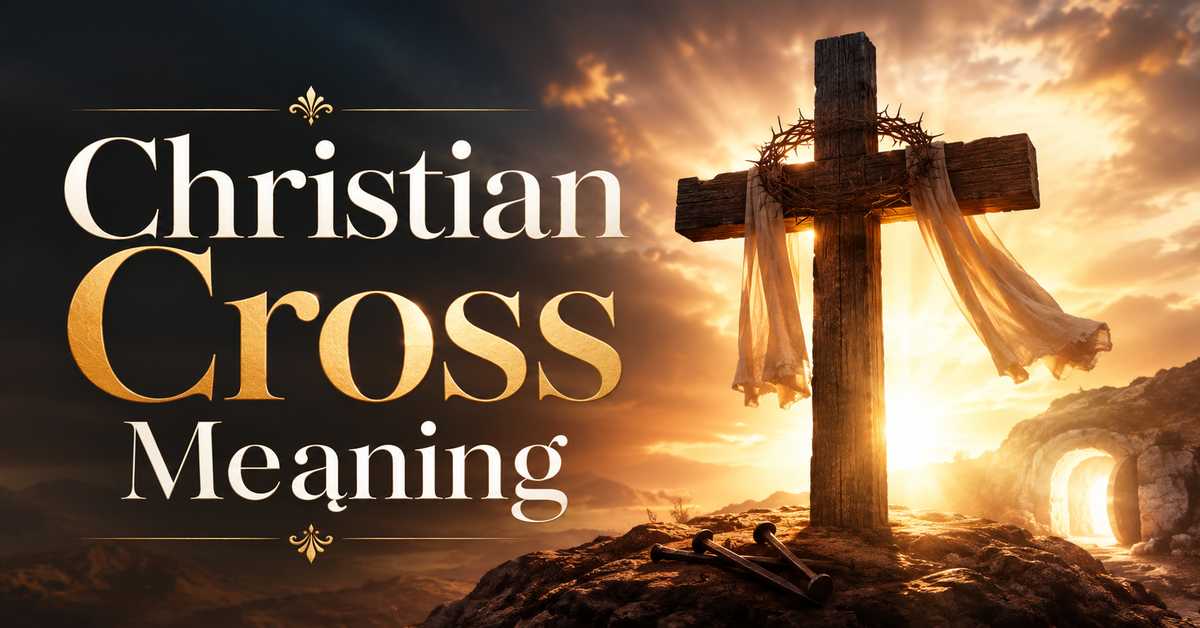
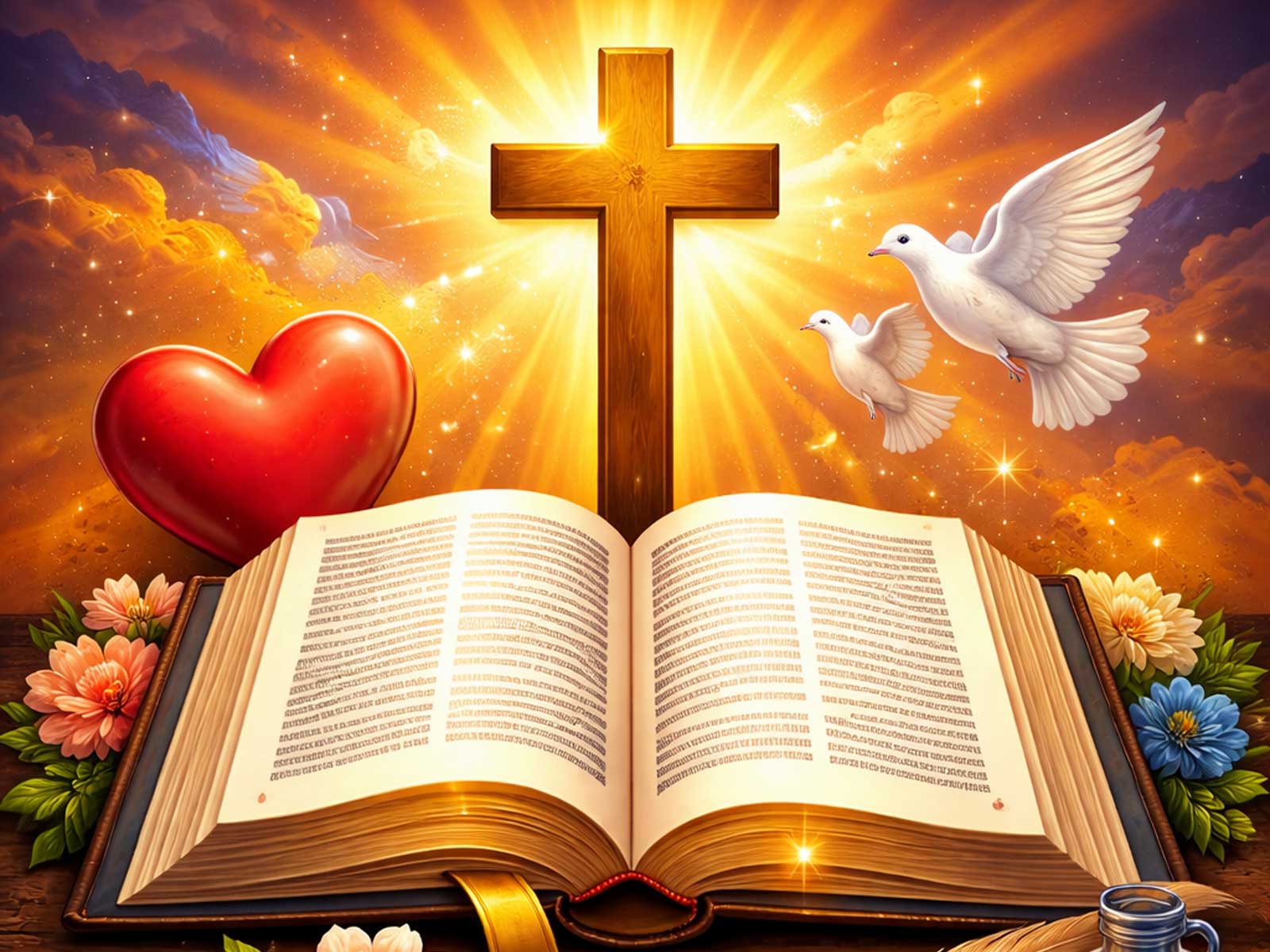
The crucifix emphasizes suffering, sacrifice, and the cost of redemption; its image can invite meditative attention on the Passion. The plain cross, lacking a corpus, tends to symbolize triumph, hope, and the risen Christ. These complementary emphases shape how Christians reflect on salvation, grief, and thanksgiving.
Liturgy and denominational context
Liturgical norms in Roman Catholic practice specify that a cross "adorned with a figure of Christ crucified"—that is, a crucifix—should be on or near the altar and clearly visible to the congregation during Mass. The crucifix is therefore especially central in Catholic devotional practice and in church furnishings.
Many Protestant traditions, shaped by Reformation-era concerns about images, commonly prefer the empty/plain cross to highlight the Resurrection. There is denominational variety: some Anglican and Lutheran congregations use crucifixes, and Eastern Christian traditions use distinctive cross forms (often multi-bar or slanted-foot) that may include representations of Christ depending on the tradition and iconographic style.
Christian symbolism and common misunderstandings
It is a common misunderstanding to treat the terms as interchangeable. The essential difference is visual and theological in emphasis: crucifix = cross + corpus; cross = no corpus. Neither is merely decorative for those who use them devotionally; each carries a particular focus of Christian memory—either the Passion or the Resurrection—though both remain connected to the core Christian story.
Sacred art and visual language
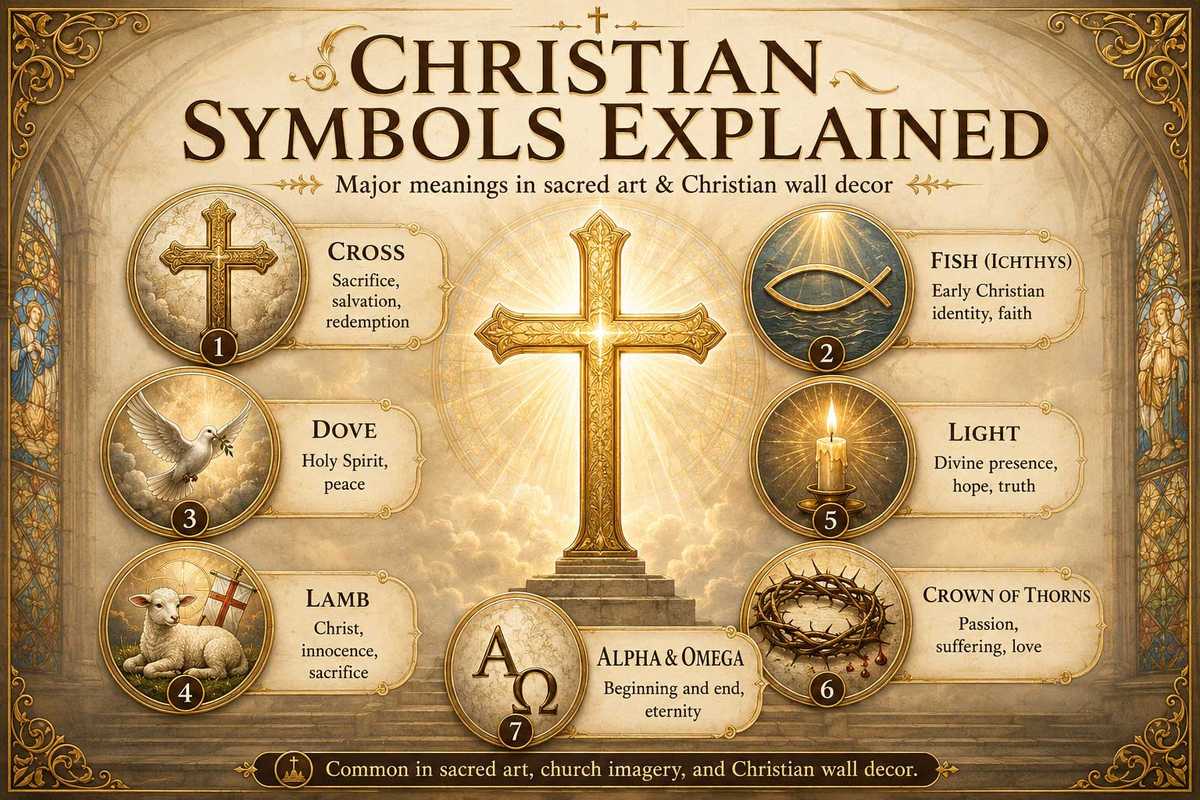
Both crucifixes and figureless crosses have long artistic histories and appear in museums and churches. Crucifix representations date to the early centuries and appear in varied formats—processional, altar crosses, carved or painted examples—each using composition, gesture, and material to communicate the Passion. Figureless crosses appear across media as a distilled, emblematic form emphasizing line, proportion, and often light or color to signal victory and hope.
Prayer and home devotion
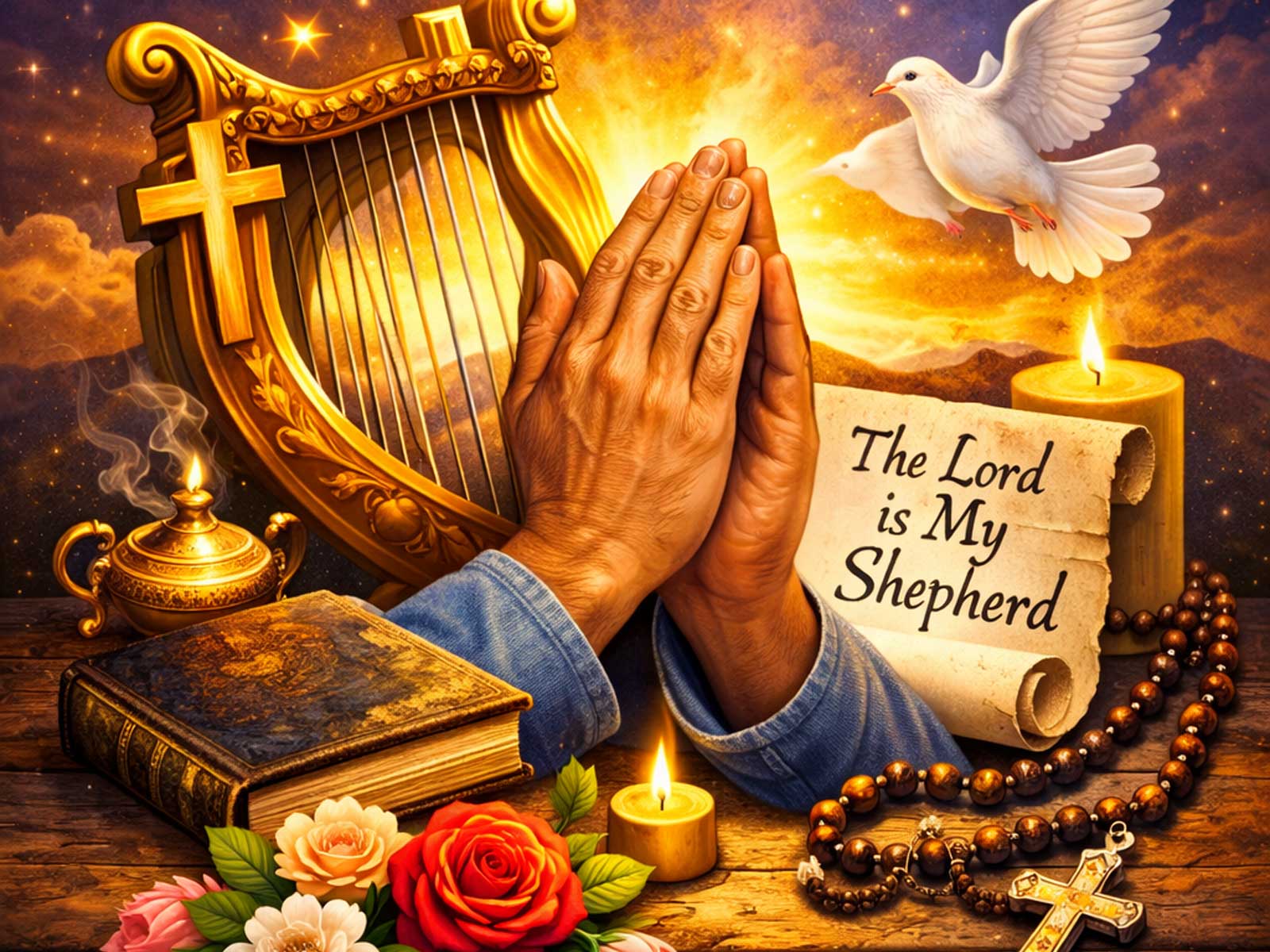
In Christian homes the crucifix is often used as a focal point for personal devotion in Catholic households, while many Protestant households display an empty cross; practices vary widely by individual, congregation, and cultural context. Either image can anchor a prayer corner, prompt reading of the Psalms or Gospel, or accompany daily family prayers—what matters is the devotional intention rather than mere decoration.
Viewing guide for wall art and prayer corners
When choosing or placing a crucifix or cross in a prayer space, notice what you want to emphasize: meditative attention on Christ’s suffering and sacrifice (crucifix) or a focus on resurrection hope and victory (plain cross). In art, look for details such as the style of the corpus, gestures, inscriptions like INRI, or regional cross forms; these elements signal historical and theological nuances and enrich devotional reading.
Closing interpretation
Crucifix vs cross is not merely a semantic debate but a practical choice about what aspect of Christ’s life a community or household wishes to foreground. Both symbols are rooted in the same biblical events and both feature prominently in sacred art, liturgy, and private devotion. Recognizing their visual difference and devotional emphases helps Christians, beginners, and admirers of wall art read these images more thoughtfully and place them with greater intention in churches and homes.
Author: Alex R.