Sacred Heart Meaning: Love, Mercy, and the Visual Language of Devotion
The Sacred Heart meaning centers on the love, mercy, and inner life of Jesus Christ as expressed in a widely practiced Roman Catholic devotion. This article explains what the Sacred Heart signifies, how it appears in sacred art, the devotional practices associated with it, and how the image can shape prayer corners and Christian wall art.
Quick summary: The Sacred Heart devotion symbolizes Christ’s infinite charity and mercy. Its familiar visual attributes—heart, flames, wound, crown of thorns, cross, and rays—make the devotion a clear subject for sacred art, liturgy, and home devotion.
Quick access: Jump to: Definition • Christian symbolism • Prayer & practice • Sacred art
CLEAR DEFINITION
At its heart, the Sacred Heart devotion represents the love, mercy, and inner life of Jesus Christ. In Roman Catholic theology and popular piety it is understood as a visual and devotional way of acknowledging Christ’s infinite charity toward humanity and of inviting reciprocal trust, reparation, and devotion.
BIBLICAL ROOTS (BRIEF FRAME)
While the verified sources describe the devotion as centered on Christ’s love and mercy, they treat the Sacred Heart primarily as a theological and devotional expression rather than a single biblical citation. The devotion draws on the Christian witness to Christ’s compassionate love revealed in the Gospels and on the Church’s reflection on the mystery of Christ.
CHRISTIAN SYMBOLISM
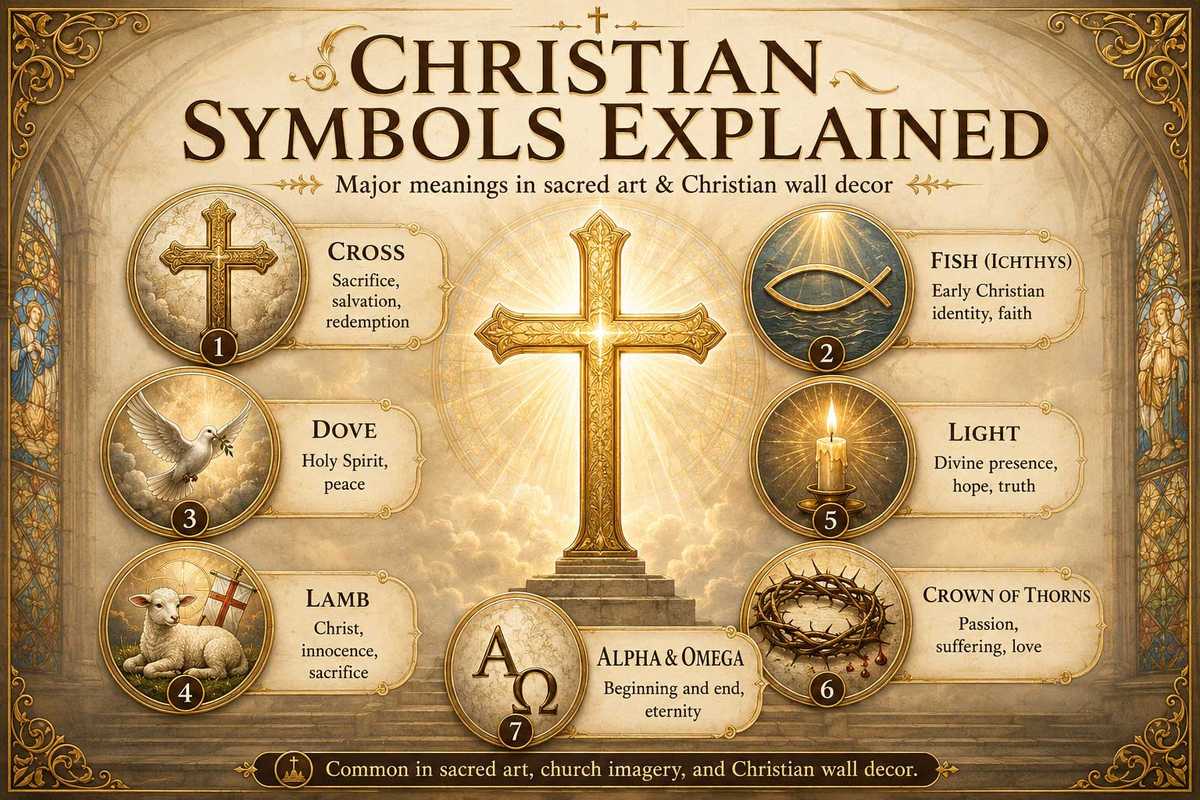
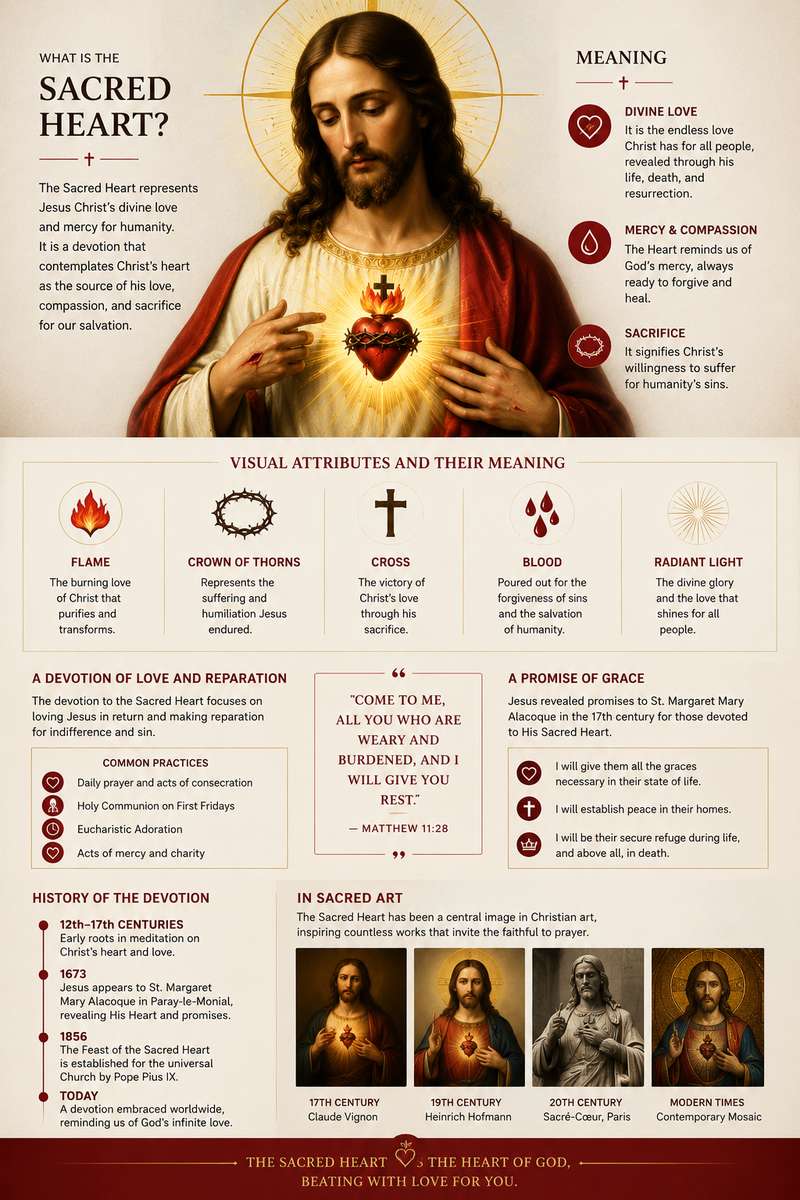
Artists and devotional images use a set of recognizable attributes to communicate the Sacred Heart meaning. Common elements include:
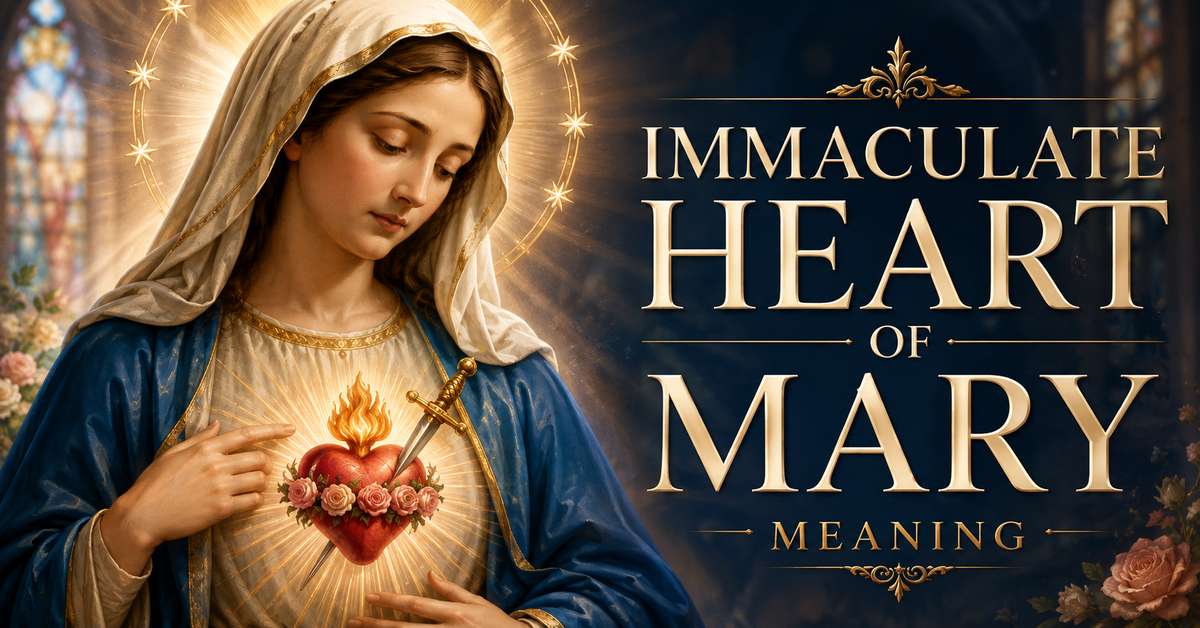
- A visible human heart, often shown on Christ’s chest, as the focal sign of his love.
- Flames issuing from the heart, symbolizing burning, fervent love.
- A wound or pierced heart, recalling the Passion and the piercing at the crucifixion.
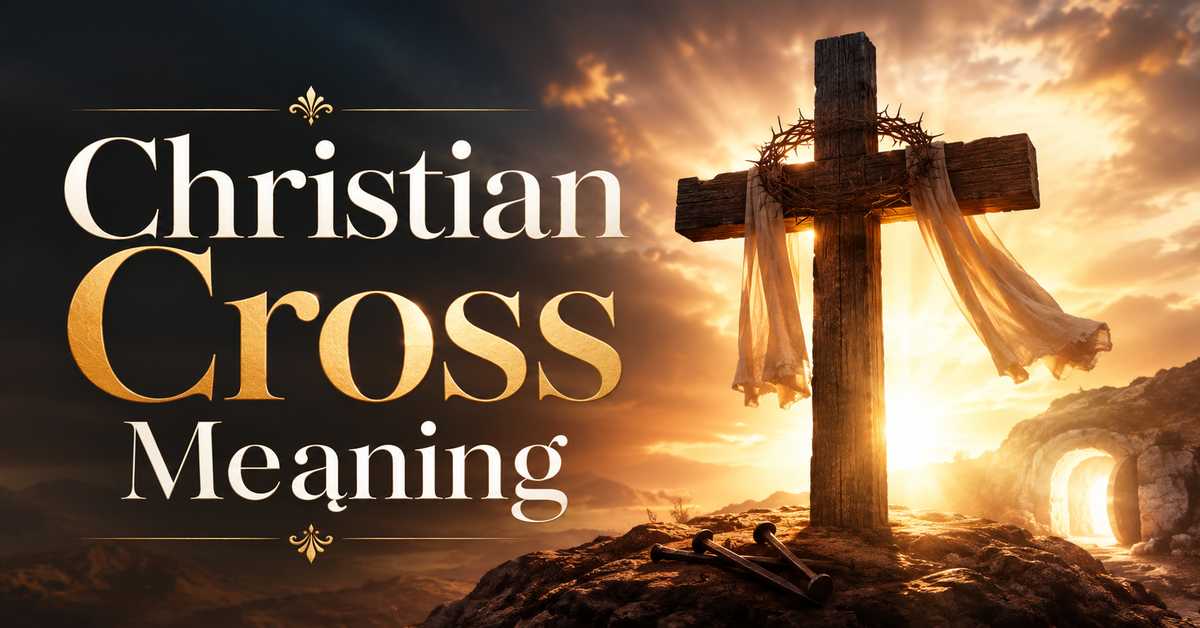
- A crown of thorns surrounding the heart, connecting suffering and love.
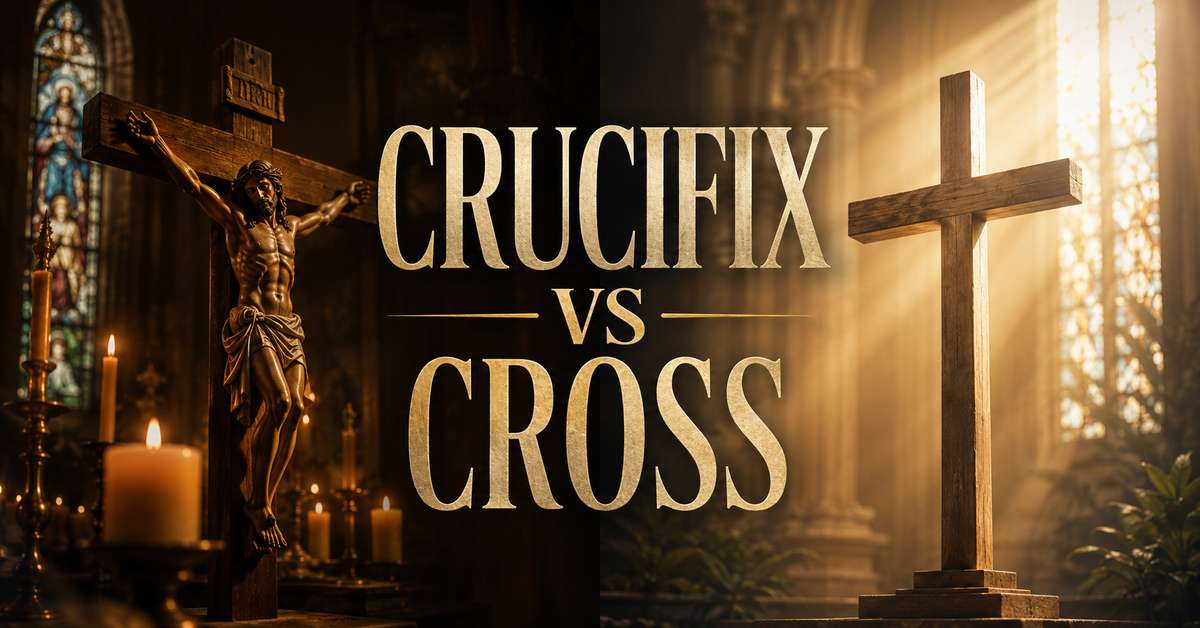
- A small cross placed above or on the heart, signifying the Christian meaning of that love in the cross.
- Rays of light or glory, indicating the heart’s spiritual radiance and saving power.
These visual elements combine to make the devotion immediately legible in paintings, prints, and devotional prints.
HISTORICAL CONTEXT
The modern popularization of the devotion is closely associated with Saint Margaret Mary Alacoque, a 17th-century Visitation nun whose reported visions and promotion helped spread the devotion. Over time the Church approved and integrated the devotion into liturgical and devotional life: in the 19th century popes extended celebration of a Sacred Heart feast into the general calendar, and Pope Leo XIII consecrated the human race to the Sacred Heart in 1899 (Annum sacrum). Magisterial writings, including Pius XII’s encyclical Haurietis aquas and later pastoral documents, have treated the devotion theologically and pastorally.
PRAYER AND PRACTICE
Common devotional practices tied to the Sacred Heart meaning include the First Friday Communion devotion, eucharistic adoration often expressed as a Holy Hour, litanies and prayers to the Sacred Heart, and acts of consecration or enthronement of families and households. The annual Feast of the Most Sacred Heart is observed liturgically on the Friday after the Solemnity of Corpus Christi. Official Vatican guidance in documents like the Directory on Popular Piety and the Liturgy explains the devotional meaning and encourages sound pastoral practice.
SACRED ART AND VISUAL LANGUAGE
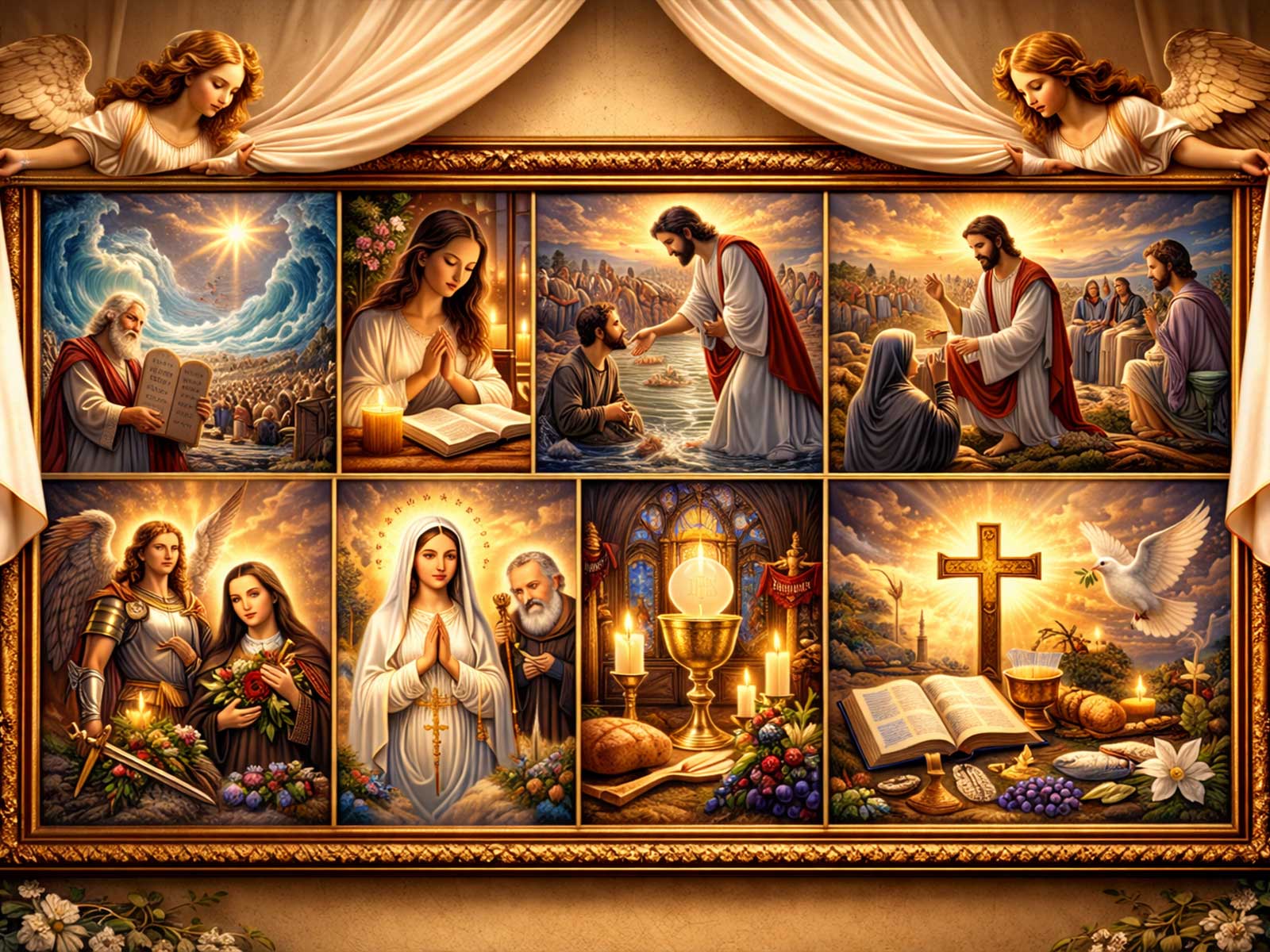
In sacred art the Sacred Heart is rendered in many media: oil paintings, prints, stained glass, and devotional posters. Compositional choices—Christ’s gesture, the placement of the heart on the chest, a soft spiritual light, and complementary symbols such as the cross or Eucharistic motifs—work together to communicate mercy and invitation. Because the symbol is rich yet standardized, it translates well to wall art intended for prayer corners, chapels, and domestic altars.
HOME DEVOTION AND WALL ART
Understanding the Sacred Heart meaning can shape how Christians use the image at home. A small print or framed image can serve as a focal point for family prayer, a reminder of Christ’s mercy, or a prompt for a brief daily Holy Hour. Many families have practiced acts of consecration or enthronement that place a Sacred Heart image in a prominent place, connecting visual culture with lived devotion.
COMMON MISUNDERSTANDINGS
Because of its emotive imagery, the Sacred Heart can be reduced to mere sentimentality or decorative art. The verified sources emphasize that the devotion has theological depth: magisterial texts have defended its theological soundness and urged that it always point to the mystery of Christ rather than to private sentiment alone. The image’s symbols of suffering, cross, and Eucharistic association guard against sentimental reduction.
CLOSING INTERPRETATION
The Sacred Heart meaning remains a living element of Catholic devotional life because it visually and devotionally gathers core Christian themes: divine love, mercy, suffering, and invitation to relationship. In sacred art and in domestic devotional practice the image helps believers reflect on Christ’s compassionate heart and to shape prayer that is at once affective and theologically rooted. Appreciating its symbols—heart, flame, wound, crown of thorns, cross, and rays—deepens both aesthetic appreciation and spiritual reflection.
Author: Eric M.